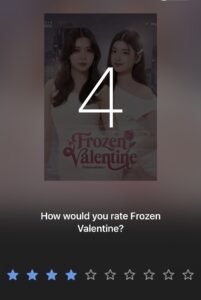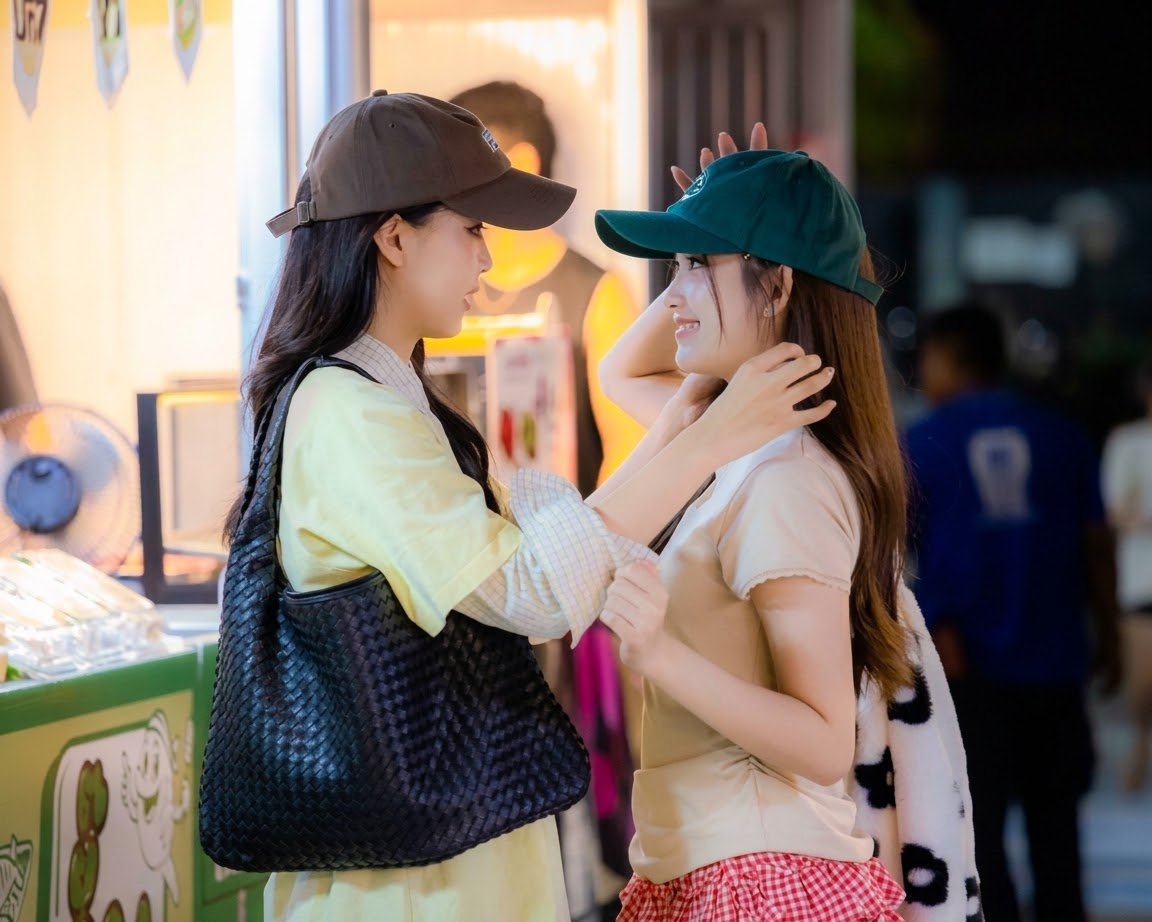
Unlike the vast majority of heavy Girls’ Love (GL) series, laden as they are with high-stakes drama, emotional pursuits, and the occasional blend of crime and complex psychological undertones, “Frozen Valentine” floats in like a featherlight pink cloud for the soul. It is the kind of show that leaves virtually no lasting side effects. Devoid of a substantial plot or narrative depth, it spends its ten-episode run offering a story tailored for junior viewers of the genre: delightfully entertaining and sweet, despite its glaring artistic weaknesses.
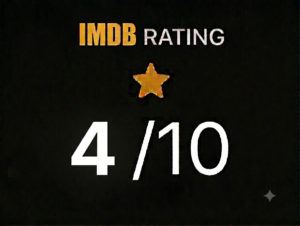
Yet that initial impression begins to shift after the first two episodes. Amid a sea of low-rated Thai dramas, “Frozen Valentine” actually opens a wide door for artistic and aesthetic analysis regarding intimate scenes in GL television. Positioned between over-the-top melodrama and a severe lack of logical emotional setup, the show’s intimate sequences transform from a tool for deepening human connection into a performance-heavy showcase. What it reveals, ultimately, is a clear directorial confusion over what intimacy actually means and how to portray it on screen. Before unpacking just how poorly executed those love scenes truly are, several foundational flaws behind the show’s slipping ratings and alienated audience demand closer inspection.
Based on the popular Girls’ Love web novel of the same name, “Frozen Valentine” follows the intricate bond and emotional progression between its two leads. The plot leans heavily on the classic “opposites attract” trope, pairing Charm—an intensely cold and guarded individual—with Ping, a warm and impulsive counterpart. Their interaction starts within rigid boundaries before gradually evolving into a deeper bond. Narratively, the script relies on breaking down the psychological walls built by the protagonist as protection from past trauma, while the secondary lead acts as the catalyst for change and emotional growth.
Clear Artistic Decline
On a technical level, the visual aesthetics rely on color contrast through set design and lighting. Spaces belonging to the colder character are dominated by stark whites, grays, and blues to emphasize isolation, while the warmer character incrementally introduces softer hues into their shared scenes. The direction also relies on heavy close-ups to capture subtle shifts in facial expressions and eye contact between the two actresses.

Narrative Weakness and Pacing Problems
The premise initially glimmers with promise as a meta-narrative, telling a story within a story or Metanarrative that exposes the behind-the-scenes realities of the GL industry and the challenges faced by its actresses. Once the first two episodes pass, however, the weak screenwriting becomes impossible to ignore. The narrative clings to a stretched-out “misunderstanding” trope, prolonging childish behavior and unfounded doubts that could easily have been resolved with a simple conversation. This dynamic paints Ping as needlessly trivial, making her irrational suspicion of Charm feel entirely artificial.
Furthermore, the show overuses flashbacks and unannounced time jumps. Sudden leaps in time leave the back-and-forth between past and present feeling completely disjointed.
The editing and overall pacing stand out as major directorial flaws. The plot swings wildly between rushing through events without granting the audience emotional space, and unnecessarily padding out scenes to hit episode runtimes. This erratic tempo makes Charm’s eventual transition from icy reserve to emotional openness feel abrupt and dramaturgically unearned in several episodes.
Adaptation and Ethical Framing
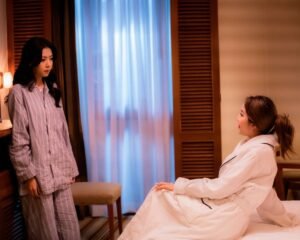
Another element that weakens the series is the alteration of scenes adapted from the original novel. Modifying certain emotional contexts in the third episode resulted in romantic touches lacking clear consensual dynamics. The staging leans into uncalculated, aggressive behaviors that diverge from the original text, raising valid concerns about how complex relationships are handled on screen.
Performance and Casting
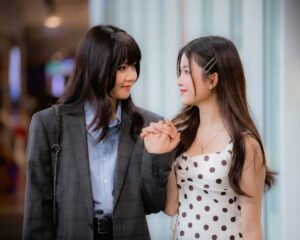
Lead actresses Natty Natthamon and Yeepun Purichaya put visible effort into constructing direct emotional scenes and bringing heat to their intimate shots. Natty, in particular, delivers a committed performance as Charm; despite playing a stoic character, her passion is present from episode one, even if it is continually undermined by naive intimacy direction.
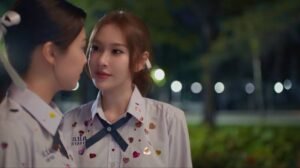
Conversely, the appearance of Nycha Nichapat as Mint feels entirely misplaced, exposing a severe casting misstep. Cast in a minor supporting role, her screen chemistry with the lead was significantly stronger and far more convincing than that of the main pairing. Meanwhile, secondary characters and side relationships were sidelined without receiving enough narrative space to develop, wasting a subplot that could have injected much-needed energy into the series.
Deconstructing Poorly Executed Love Scenes
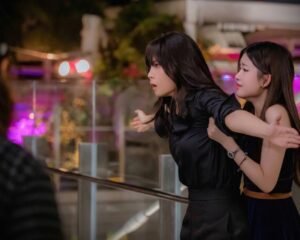
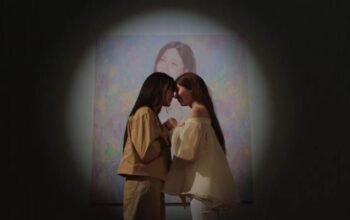
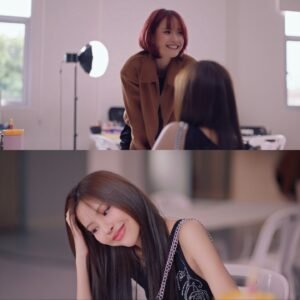
Viewers generally agree on the subpar execution of the romantic sequences, as well as the curious rarity—or total absence—of traditional, direct kissing. The intimacy direction stands as the most baffling element of the entire show. Directorially, the decision was made to spare the actresses from performing genuine seduction, opting instead to have them simulate intense longing and physical closeness without translating those emotions into action. Kisses remain sparse and shallow, and the actresses are restricted from touching or kissing bodies freely. What remains on screen resembles a bizarre, veiled aerobics routine passed off as physical and emotional intimacy.
The most prominent flaw in these scenes is the heavy-handed buildup contrasted with an extraordinarily weak payoff. The sequences feature exaggerated squirming, heavy panting, and overly dramatic breathing audio that clearly was not produced organically by the actors in the moment. Filled with hollow physical cues, the scenes lead to no tangible outcome or emotional payoff. By ramping up tension to maximum levels only to deliver frustrating results, the moments come across as strangely comedic rather than intimate.
A second issue lies in the kiss choreography. The direction actively avoids standard, direct lip-to-lip kissing. Instead of natural expressions of love, the camera focuses on quick, cut-away kisses or glances toward the neck and body, often editing away the moment lips are about to meet. This technique robs the kiss of its romantic value, rendering physical connection between the leads unnaturally rare given the sheer volume of intimate setups.
Thirdly, the placement of these scenes severely disrupts narrative flow. Thrust into episodes without narrative buildup or conversational setup, the bedroom sequences feel entirely detached from the plot, inserted merely to fill airtime.
Finally, the visual presentation of these simulated encounters relies heavily on harsh red lighting and intense color filters, stripping the scenes of any continuity with the show’s established visual style. The camera angles prioritize superficial display over genuine connection, leaving the moments feeling manufactured and jarring.
A glance at the director’s track record solves the mystery. Cheewin Thanamin, who previously directed “Show Me Love” and “Denied Love,” is well known in drama circles for relying on exaggerated physical staging while omitting natural kisses and distracting the viewer with unmotivated close-ups—a pattern that repeats here to an almost bizarre degree.

Reused Audio Elements
The director and production house (Copy A Bangkok) commit a major technical blunder by recycling directorial cues, sound effects, and score selections directly from the company’s past projects, such as “Denied Love.” This lack of original sound design constantly pulls the viewer out of the experience, robbing “Frozen Valentine” of its own distinct identity.
In rare moments, however, the audio cues land effectively. The first kiss scene in episode five transitions smoothly from a heavy heartbeat effect into the track “Affectionate Love” by composer David Celeste.


Final Thoughts
It is no exaggeration to describe “Frozen Valentine” as deeply absurd, a quality punctuated by its chaotic finale and a shootout scene so poorly executed and acted that the director hardly seemed present on set. The series possessed a genuine asset in star Natty Natthamon, who acts brilliantly with her eyes and demonstrates clear talent. The show had every opportunity to earn higher ratings and critical respect had the production team partnered with a more skilled, thoughtful director, rather than settling for a rushed, commercially careless effort that ultimately underestimates its audience.