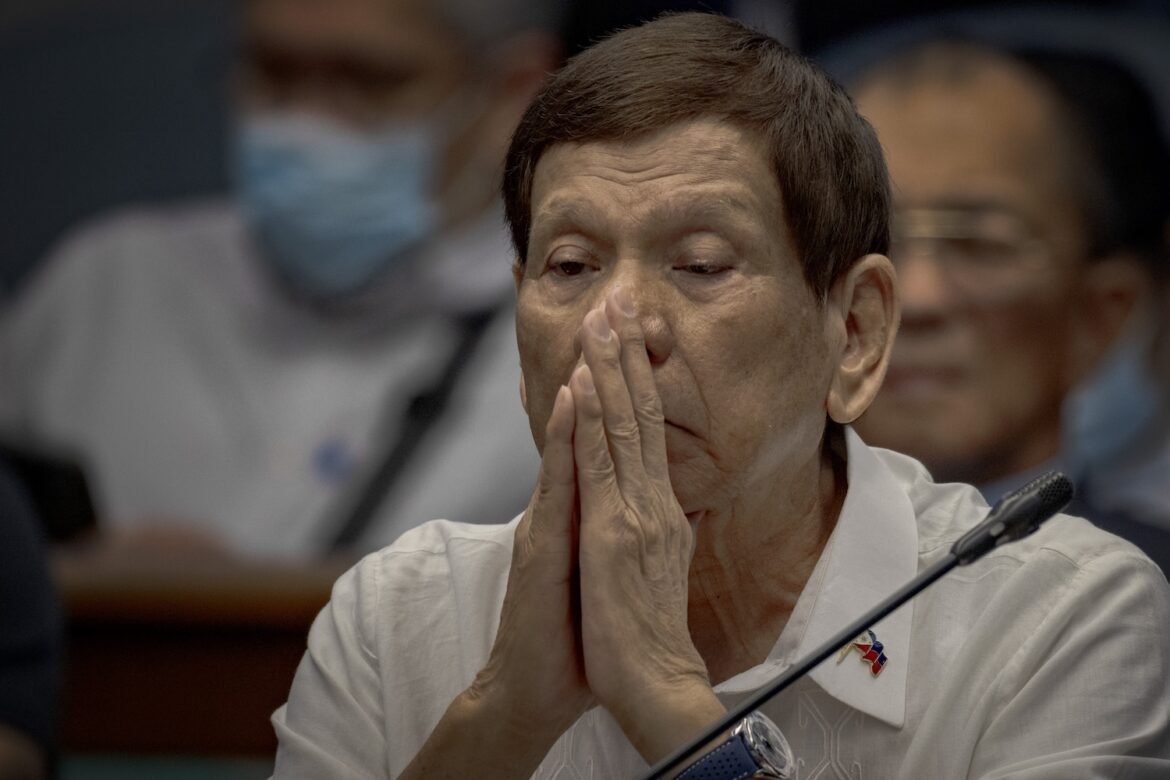
The International Criminal Court (ICC) has officially cleared the way for a landmark trial against former Philippine President Rodrigo Duterte, marking a historic moment for international justice. On April 23, 2026, the court’s Pre-Trial Chamber unanimously confirmed charges of crimes against humanity against the 81-year-old leader, citing substantial grounds to believe he orchestrated the brutal “war on drugs” that claimed thousands of lives.
Duterte, who has been in custody at the Scheveningen prison complex since his arrest in March 2025, is the first Asian former head of state to be tried by the Hague-based tribunal. The trial will focus on alleged murders and attempted murders committed during his tenure as Mayor of Davao and subsequently as President of the Philippines between 2011 and 2019.
The Path to the Courtroom
The decision to proceed to trial follows a series of rigorous pre-trial hearings in February, where the prosecution presented over 5,000 pieces of evidence. Prosecutors allege that Duterte sat at the very heart of a state-sanctioned killing machine, exercising ultimate authority over death squads that targeted the urban poor under the guise of anti-narcotics operations.
While the defense has consistently challenged the court’s jurisdiction—arguing that the Philippines withdrew from the Rome Statute in 2019—the ICC Appeals Chamber recently reaffirmed that the court maintains legal authority over crimes committed while the country was still a member.
Sara Duterte Concedes: No Way Out
In a notable shift in tone, Vice President Sara Duterte, the former president’s daughter, spoke to reporters this week following a visit to her father in The Hague. Breaking from previous defiant rhetoric, the Vice President acknowledged that the case is now inevitably headed for a full trial.
The best way to move forward is to prepare for the defense, she stated on May 5, noting that the family has accepted the reality that the ICC is unlikely to abandon the proceedings. Despite the gravity of the situation, she reported that her father appears to be in relatively good health, though he continues to decline suggested physical therapy within the detention facility.
Key Milestones Ahead
The newly formed Trial Chamber III, led by Judges Joanna Korner, Keebong Paek, and Nicolas Guillou, has already begun setting the stage for the formal proceedings:
• Detention Review: The court has ordered all parties to submit observations on Duterte’s continued detention by May 8, 2026, to determine if his age or health warrants a change in his status.
• First Status Conference: A pivotal planning session is scheduled for May 27, where judges and legal teams will finalize the disclosure of evidence and coordinate witness protection measures.
• Trial Timeline: Legal experts anticipate that opening statements could begin as early as late 2026 or early 2027, depending on the resolution of pending defense appeals regarding the formulation of the charges.
A Global Precedent
For human rights advocates and the families of the victims, the confirmation of charges represents a long-awaited victory. Groups like Rise Up for Life and for Rights have described the upcoming trial as a vital acknowledgment of the suffering endured by thousands of Filipino families.
As the ICC moves into the trial phase, the eyes of the world are on The Hague. The case against Rodrigo Duterte serves as a profound test of the international community’s ability to hold even the highest-ranking officials accountable for grave human rights violations, signaling that the passage of time and the exit from international treaties do not provide a permanent shield against the reach of global justice.