In the opening episode of the Thai series Roller Coaster, the show does very little to pull you in. The aesthetic is bleak, devoid of striking visuals, while a convoluted romantic dynamic hints at betrayal, deception, and promises left perpetually unfulfilled.
As the narrative progresses, frustration takes over. The lead characters cycle through endless emotional indecision, paralyzed when it comes to deciding their futures and leaving their fates hanging in a purgatory of confusion and drift.
Once you push past the mid-point, however, narrative curiosity takes hold. You stay tuned, anticipating an inevitable conclusion you’ve mapped out as a logical necessity, driven by renewed hope for a resolution that dishes out poetic justice.
It is precisely at this turning point that the visual dimensions finally start to pay off. The aesthetics of the cinematography shine through with inventive camera angles and elevated production values that push the project out of traditional melodrama territory into the sphere of independent cinema.
While contemporary Thai television—particularly the GL (Girl’s Love) genre—remains largely trapped in repetitive melodramatic formulas dependent on quick emotional payoffs, Roller Coaster, adapted from the novel by Reallyb, delivers a delicate visual and narrative experiment. It breaks away from genre tropes to deliver a mature psychological romance grounded in ambiguity and human complexity.
Navigating a line between cinematic experimentation and stumbles in character construction, the series offers a project worth dissecting across its production, directorial, and dramatic frameworks.

Dramatic Structure and Narrative
The series operates outside standard linear storytelling, relying instead on stream-of-consciousness techniques and intersecting memories to explore the triangle between its main leads: Pure, Air, and Loft.
Rather than setting up a simple good-versus-evil conflict, the script wrestles with the human fallout of separation and regret. The plot kicks off with Air returning to Pure’s life after three years apart—a comeback that unlocks closed doors of guilt and second-guessing. Meanwhile, Loft’s presence introduces a contrasting dynamic defined by impulse and unfiltered emotion.

The writing excels in its willingness to tackle subtle emotional infidelity (micro-cheating) and loaded flirtation. The script refuses to offer easy rationalizations for its characters, allowing them to flounder in their choices and bolstering the show’s sense of realism.
However, this convoluted narrative loses momentum in the middle episodes. Internal conflicts repeat without pushing the plot forward, only for the series to sprint toward a rushed finish in its finale. We have pointed out weak setup for the main motivations, linking character trajectories in abrupt ways that make key emotional pivots feel unearned.

Directorial Vision and Cinematography: Pushing Past Soap Opera Conventions
Director Aey Boon Kiaoruenrom deserves credit for attempting to pull the series away from commercial TV tropes into indie film territory.
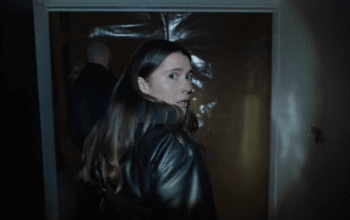
The camera work uses point-of-view (POV) perspectives and tracking shots that mirror the shaky motion of a roller coaster, creating a visual counterpart to the emotional turbulence on screen. The lighting and color grading serve the psychological tone well: dim, warm hues dominate the past to evoke nostalgia, contrasted against harsh, cold tones in the present to highlight emotional distance.
The production environment behind the camera also worked in the show’s favor, particularly during sensitive scenes. Utilizing an all-female crew behind the camera created a comfortable environment for the actresses, translating into natural physical performances that kept intimate moments grounded without resorting to sensationalism.
Conversely, low-quality visual effects (VFX) drag down the exterior and driving sequences. The obvious green-screen work pulls the viewer out of the atmosphere and undercuts the show’s realism.

Performances and Acting
The acting across the cast remains a mixed bag:
Neko Naerunchara Lertprasert (as Air) delivers an exceptional performance that serves as the anchor of the show. Using subtle eye movements and micro-expressions, she captures the internal torment of a woman carrying the weight of past choices and an unhappy marriage. Her work avoids theatricality, raising the dramatic stakes in every scene she occupies.
Pundao and Shelly (as Pure and Loft) bring relative inexperience to their roles. While their visual chemistry with Neko is apparent, Pundao’s vocal delivery and dialogue execution often feel stiff and practiced. Shelly, on the other hand, brings welcome energy and lightness to Loft, overcoming moments of limited emotional range during more complex beats.

Sound Design
The soundtrack serves as a crucial storytelling layer. Rather than acting as mere background filler, the score articulates internal emotional states that dialogue leaves unsaid. The sound mixing and environmental audio demonstrate strong attention to detail, though the driving scenes plagued by weak VFX remain a distraction.

An Incomplete Finale
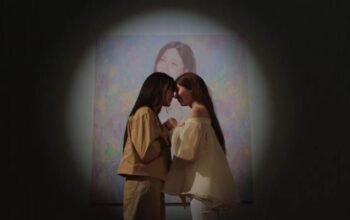
Heading into the final stretch—where events directly mirror the show’s title—I was ready to award the series a 10/10 on IMDb, a rating reserved for works that deliver a complete emotional and aesthetic payoff. However, the resolution following Pure’s art exhibition falters in how it resolves the core romantic conflict.
The divide over the final choice (Air or Loft) remains frustrating. The narrative leaves the door open for Pure to return to Air, framing it as a logical fit for the “roller coaster” theme due to the history and depth of their dynamic. Yet, this path deprives viewers of closure regarding Loft, who represented a more mature, stable alternative. Returning to Air reinforces a repetitive cycle of hesitation and guilt.
Furthermore, the post-exhibition beats suffer from time jumps and uneven pacing compared to the mid-series burn. By skipping a definitive confrontation and emotional reckoning between the three leads, the show denies the audience a built-up logic for forgiveness and acceptance.

Intimacy
The directorial approach to intimacy works heavily in the series’ favor, handling these scenes with realism and sensitivity rather than shock value. Far from feeling shoehorned in, these moments serve character psychology, reflecting shifts in their connections, attachment, and vulnerability.
The camera relies on tight close-ups—focusing on facial expressions and subtle physical touch rather than sensationalized full-body shots. Dimmed lighting and warm shadows underscore the characters’ emotional isolation from the outside world during these beats.
The production successfully distinguishes between emotional intimacy and commercial spectacle. By highlighting guilt, longing, and possessiveness, the intimate sequences operate as essential narrative building blocks. The decision to employ an all-female crew behind the camera paid off, creating a secure space that translated to fluid, grounded performances.

Safe Sex Awareness
One of the project’s standout aspects is its explicit inclusion of safe sex practices. In episode four, during Loft and Pure’s first sexual encounter, Loft pulls out a dental dam—a moment rich in health awareness that sparked widespread discussion among Thai drama fans and critics.
This marks the first explicit representation of a dental dam in mainstream Thai GL drama. Rather than relying on subtle symbolism, the scene presents the item as a practical detail of intimacy. While it caught viewers accustomed to abstract romance off guard, it sparked curiosity regarding its inclusion.
The effort extended beyond the script itself. The production house and team partnered with health organizations to launch a social media campaign alongside the episode’s release, publishing educational content explaining dental dams, their role in preventing STIs, and proper usage.
The campaign divided audiences. While some dismissed it as a promotional gimmick, others praised the team’s willingness to break a health taboo in Thai and Asian media, viewing the portrayal of safe sex as a responsible, mature narrative choice.
Roller Coaster is not a flawless product; its flaws lie in uneven acting, a rushed resolution, and technical slips in post-production. Nevertheless, it represents a bold step forward for Thai television—a project that respects its audience and takes visual and narrative risks to mirror the real-world ups and downs of human relationships.