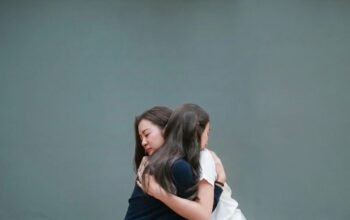
In a landscape saturated with fast-food, high-octane serials churned out for purely commercial motives, the Thai series “US” arrives to disrupt the global GL (Girls’ Love) arena. It elevates artistic sensibilities to a standard that will be difficult to rival in the future.
The production is far from flawless. Its pilot episode is noticeably bleak, presenting a faded, gloomy aesthetic populated by lost, joyless characters. Despite being billed as a romance, early scenes are devoid of visible affection. However, with a modicum of patience, the series begins to unveil its gems one by one, the most precious of which is undoubtedly its screenplay.
The script delves into the complexities of the human experience with profound sensitivity and authenticity. It explores delicate themes such as loss, grief, loneliness, and emotional voids. Rather than descending into contrived melodrama, the narrative embraces the vulnerabilities of its protagonists, transforming them into a driving force for healing and personal growth.

The Narrative Engine
The story is rooted in a devastating tragedy. Pam is left deeply traumatized following the fatal accident that claims her parents’ lives. The plot thickens when it is revealed that Rak’s father is the primary culprit behind the crash, leaving a profound psychological scar on Pam, fostering a latent desire for revenge, and plunging her into an emotional abyss. Conversely, Rak enters Pam’s orbit as a warm, empathetic presence. Foregoing the fiery hostility typical of such dramatic tropes, the two women are organically drawn to one another. Rak slowly chips away at the psychological walls Pam has erected, paving the way for a dynamic built on healthy communication and mutual support.
The narrative essentially revolves around Rak, the engine propelling nearly all the overarching events. She carries a heavy, inherited burden—the sins of a deeply selfish father who cares only for his own pleasures and hospital administration, even at the expense of ruining the lives around him. Beyond destroying Pam’s family, his reckless behavior has resulted in several illegitimate children he refuses to acknowledge. As Rak gradually uncovers her father’s transgressions, she chooses not to run from this dark legacy or hide behind survivor’s guilt. Instead, she faces the fallout head-on, emerging as a nurturing figure determined to offer genuine support to those whose lives her father decimated.

Emotional Closeness and Forgiveness
As Rak grows closer to Pam, she becomes a definitive safe haven, handling her grief and trauma with immense patience in an attempt to fill the gaping emotional void. Rak shoulders a massive emotional responsibility, balancing her burgeoning, genuine romantic feelings for Pam against the constant dread that her father’s sins might eventually shatter their bond.
Intersecting Paths: Nini and Oot
Simultaneously, Rak’s pacifist and understanding nature sharply contrasts with her illegitimate sister, Nini, whose subplot is fueled by vengeance and the settling of personal scores. While Rak’s journey represents forgiveness and the search for inner peace, Nini embodies the dark side of an inability to move on. Meanwhile, the character of Oat injects herself into the narrative with a persistent, nagging urgency, entangling herself in daily social challenges. Rak manages Oat’s presence with shrewd diplomacy, ensuring these peripheral tensions do not distract from her primary focus on Pam.

Shared Healing

Rak’s arc reaches its zenith when she puts her feelings on the line, proving to Pam over time that the sins of the father are not passed down to the daughter. Thanks to her emotional maturity and unwavering commitment to calm, rational dialogue, Rak successfully helps Pam release her pent-up anger and sorrow. Together, they forge a stable, healthy relationship that defies the cruelty of the past, proving that romance grounded in radical honesty can be an ultimate lifeline.
The Maternal Linchpin
In the dramatic framework of Us The Series, the mother figure is far from a mere familial shadow lingering in the background; she emerges as an emotional anchor and the pivotal catalyst in unraveling multi-generational conflicts—a role delivered with striking nuance by Ramavadee Nakchudtree.
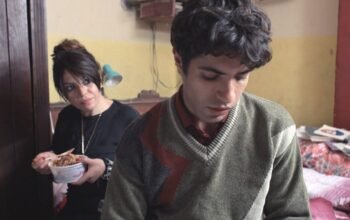
At the narrative’s core, the family finds itself trapped under the oppressive weight of an overbearing patriarch whose toxic dominance serves as the primary engine for the children’s psychological distress. This domestic decay hits hardest in the arc of the son, Kawi, who becomes the drama’s quiet casualty. Crushed by direct authoritarian control, he internalizes guilt and powerlessness, spiraling into emotional isolation and a breakdown brought on by desperate attempts to appease his father while navigating emotional exploitation.
This is precisely where the mother’s transformative arc takes hold. Her intervention is no sudden impulse, but the tipping point of years spent enduring her husband’s dissolute behavior and repeated betrayals. Bearing witness to her children’s devastation, alongside the deep emotional scars inflicted upon his illegitimate daughter, Nini, finally shatters her compliance. Personal bitterness merges with fierce maternal protection, propelling her into full-scale rebellion. Moving beyond passive sympathy, she takes the decisive step of severing ties and defying his control, a break that ultimately lifts the nightmare and halts the family’s emotional bleed before it is too late.
On an emotional level, the performance reaches its dramatic peak as she transforms from a victim of her marriage into a sanctuary for her children. Her overt support and embrace of her daughter, Rak, during moments of chaotic confusion, coupled with pulling Kawi back from the brink, creates the bridge over which the characters cross from fear into healing.
She does not merely resolve narrative complications; she repairs deep-seated psychological fractures and grants everyone room to breathe anew. Through Nakchudtree’s grounded portrayal, the character evolves from the margins into the story’s true driving force, reinforcing the series’ central premise: true redemption from complex trauma requires the courage to confront family dysfunction at its roots and rebuild love on absolute understanding.
Story Structure and Narrative Pacing
The storyline weaves together with a potent softness, creating a romance born from the intersection of trauma and healing. The script’s sensitivity shines in its handling of the central conflict, as Pam falls for the daughter of the man who killed her parents. Refreshingly, the writing steers clear of toxic tropes and agonizing revenge arcs, opting instead for rapid forgiveness and understanding. The screenplay prioritizes emotional maturity, granting ample breathing room for fragile human feelings. This approach makes the on-screen relationship feel authentic and comforting, as the protagonists focus on uplifting each other rather than manufacturing unnecessary misunderstandings to pad the runtime.
Directing and Cinematography
On the technical front, there is a consensus that the series is a tranquil visual masterpiece, boasting an indie-film aesthetic. The lion’s share of the credit belongs to director Kanittha Kwanyu, affectionately known as the “Saint Mother Director” for her signature style of framing love as a curative, soul-saving force. She successfully cultivates a warm, inviting atmosphere, leaning on soft lighting and a stellar original score that significantly heightens the emotional resonance of the scenes. Her directorial vision lends an extraordinary tenderness to the portrayal of female intimacy, entirely avoiding exaggerated passion or synthetic romance.
The cinematography is remarkably poetic and cinematic, relying on elegant camera angles and capitalizing on the exquisite beauty of the rain sequences in the early episodes. The emotive, diffused lighting plays a pivotal role in amplifying the psychological state of the viewer. This warm visual palette works in perfect tandem with camera setups that emphasize micro-expressions and eye contact, transforming shared glances into something akin to profound spiritual kisses and allowing the quiet moments to speak volumes louder than the dialogue.

The Performances
When it comes to character dynamics and the chemistry between the leads, actors Emi Thasorn and Bonnie pattraphus deliver performances so naturalistic and grounded that their eye contact alone carries the weight of physical affection. They present a refreshing, much-needed paradigm of a non-toxic relationship where conflicts are resolved through immediate communication—an endearing and rare commodity in this genre.
The Drawbacks
However, the show’s most glaring issue lies in its flimsy plot and painfully sluggish pacing. By the halfway mark, the narrative stalls, becoming somewhat tedious. The series abandons thrilling plot developments in favor of showcasing cute, slice-of-life vignettes that offer zero forward momentum. Compounding this issue is the lack of emotional evolution for several supporting characters, despite the passage of time in the latter episodes.
Nini’s revenge subplot feels recycled, riddled with plot holes, and ultimately uninspired. Furthermore, the character of Oot feels squandered, with her sheer persistence devolving into a major annoyance for the audience. Finally, the central conflict—Pam’s romance with her parents’ killer’s daughter—is resolved with such excessive haste that it squanders a prime opportunity for a much deeper, more compelling dramatic payoff.