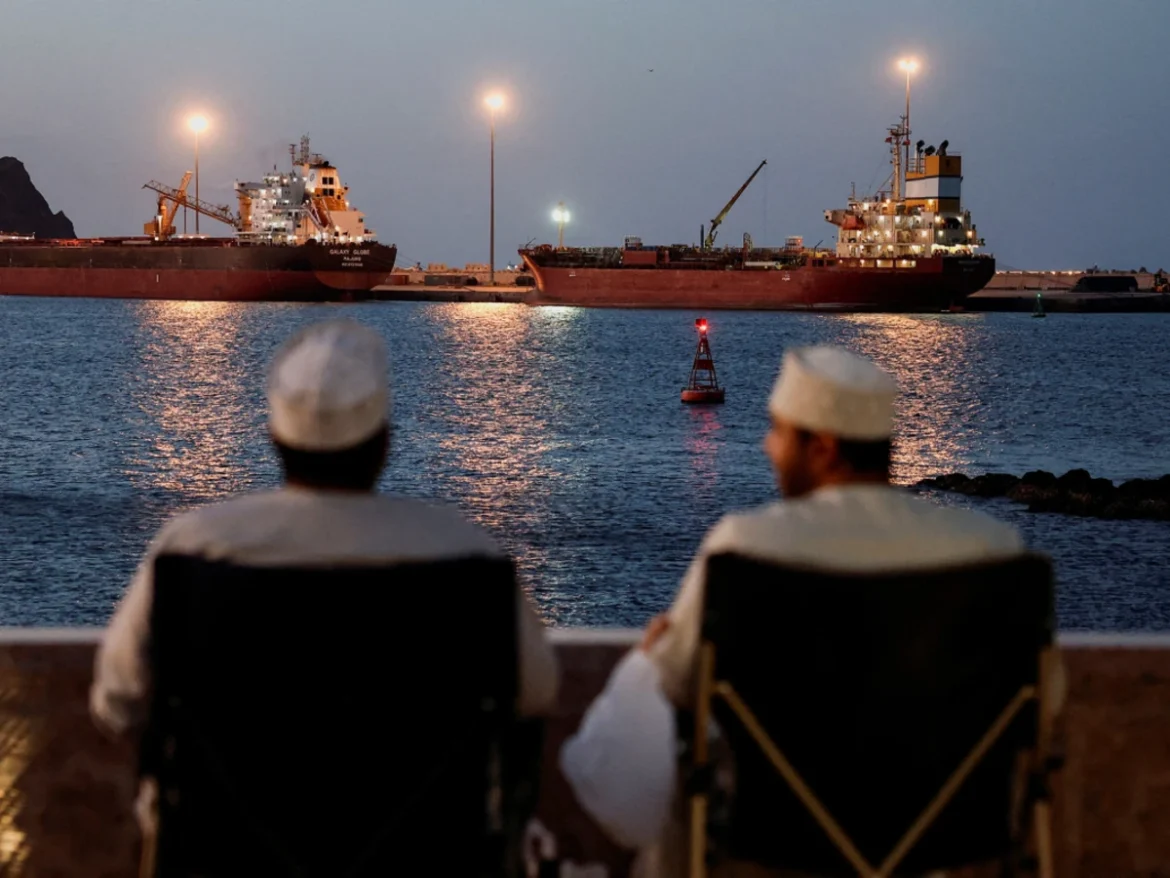
The vital maritime artery of the Strait of Hormuz has once again become a flashpoint for international friction, as a series of naval standoffs has prompted a surge in diplomatic and economic pressure on Tehran. Global energy markets are reacting with volatility following reports of disrupted transit routes, leading a coalition of nations to propose a rigorous new framework of sanctions aimed at securing one of the world’s most critical oil chokepoints.
The current friction follows allegations from several international maritime monitors regarding interference with commercial vessels. While Tehran maintains that its naval presence is intended to ensure regional security and sovereignty, Western powers and several key Asian economies view the maneuvers as a direct threat to the freedom of navigation and global energy stability.
A Coordinated Diplomatic Response
In a closed-door session at the United Nations, a draft proposal backed by the United States and several European allies has begun to circulate. The proposed measures are designed to target specific sectors of the Iranian economy that provide the logistical and financial backbone for its maritime operations. Unlike previous broad-spectrum embargoes, this latest initiative is reportedly more surgical, focusing on:
• Port Authorities and Logistics: Sanctions aimed at the management of key Iranian harbors and the supply chains that service naval assets.
• Maritime Insurance and Finance: Restrictions intended to make it increasingly difficult for designated entities to secure international coverage for their fleets.
• Technology Exports: A complete ban on the transfer of advanced radar, drone, and naval surveillance hardware that could be used to monitor or intercept international shipping.
Impact on Global Trade
The Strait of Hormuz serves as the transit point for nearly a fifth of the world’s total oil consumption. Consequently, any hint of instability in the region triggers immediate economic ripples. Analysts in Tokyo and Seoul have expressed growing concern, as these nations rely heavily on the Middle Eastern corridor for their industrial energy needs. The Japanese government has already signaled its support for a diplomatic resolution that prioritizes the uninterrupted flow of trade, while emphasizing the need for a unified international stance.
Regional Perspectives and Counter-Arguments
Tehran has remained defiant in the face of these developments. Iranian officials have dismissed the proposed sanctions as a form of economic warfare, asserting their legal right to patrol their territorial waters. Furthermore, some regional observers warn that additional sanctions could backfire, potentially leading to further escalations rather than the desired de-escalation. There is a palpable fear among Gulf neighbors that a miscalculation on either side could transform these naval skirmishes into a broader conflict.
The Path Forward
As the UN Security Council prepares to debate the resolution later this month, the international community remains divided on the best path forward. Some member states are calling for a period of intense mediation, while others argue that only a show of economic force will deter future disruptions.
For now, the waters of the Gulf remain a theater of high-stakes geopolitical maneuvering. With naval patrols increased and the specter of new sanctions looming, the world is watching closely to see if diplomacy can navigate a way through these increasingly turbulent straits.