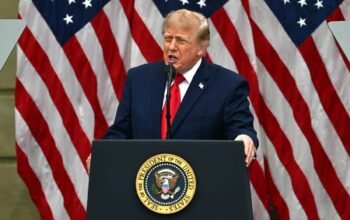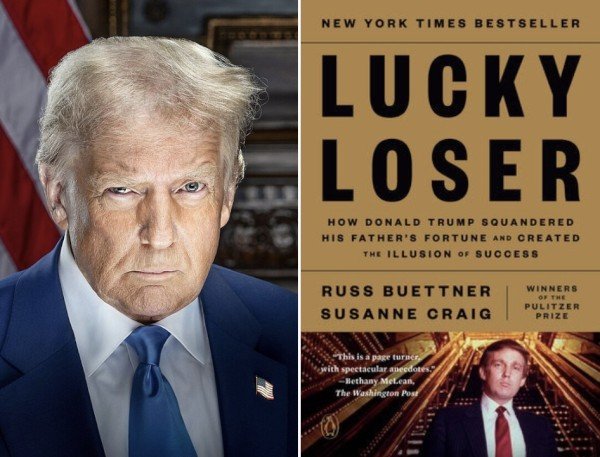
Former President Donald Trump has initiated a fresh legal challenge against The New York Times, intensifying his long-standing confrontation with the prominent media institution. The civil complaint, submitted to a Florida court, claims that the newspaper conducted a systematic campaign to damage his public standing through a series of investigative articles and editorial content.
The legal team representing the former president is pursuing substantial financial damages. They argue that the publication moved beyond standard reporting and entered the realm of intentional defamation by publishing narratives they characterize as misleading and biased.
Allegations of Intentional Misinformation
The primary focus of the lawsuit involves recent coverage regarding the former president’s corporate interests and his current political activities. The filed documents suggest that the newspaper acted with a significant level of disregard for factual accuracy, allegedly ignoring contradictory evidence to maintain a specific negative narrative.
In communications shared through his media channels, the former president described the legal move as a defense of the truth against what he labels as politically motivated journalism. He maintains that the news organization has transitioned from a source of information into a tool for political opposition, necessitating judicial intervention to restore accountability.
The Response From the Publication
Representatives for The New York Times have stood by their reporting, characterizing the lawsuit as an attempt to stifle independent journalism. They maintain that their investigative work is conducted with the highest editorial standards and remains protected by constitutional guarantees of press freedom.
Legal analysts point to several critical factors that will shape the case:
• The Public Figure Threshold: Because the plaintiff is a high-profile political figure, the legal burden requires proving that the outlet acted with knowledge of falsehood or extreme skepticism of the facts.
• First Amendment Protections: The American judicial system traditionally grants wide latitude to the press when reporting on matters of public concern and government figures.
• Procedural Challenges: The case may face motions to dismiss based on statutes designed to prevent the use of the legal system to discourage public participation and free speech.
A Sustained Pattern of Conflict
This latest litigation represents the newest phase in a decades-long friction between the former president and the newspaper. While previous legal attempts have faced various outcomes in court, this filing demonstrates a continued reliance on the judiciary to challenge mainstream media narratives.
As the legal proceedings move into the discovery phase, the case is likely to spark renewed national conversation about the limits of media criticism and the intersection of law and political discourse. No official trial date has been established, but both parties appear prepared for a protracted legal battle over the boundaries of modern journalism.