As the Thai small-screen sphere relentlessly churns out formulaic romances, lightweight flirtations, and predictable sweet exchanges between protagonists, series creators frequently find themselves trapped in a single, monotonous lane. Ultimately, these mainstream projects amount to effortless viewing without leaving any enduring impact; their entertainment value remains entirely fleeting, engineered to spike adrenaline and provoke light emotional reactions without ever demanding intellectual engagement.
Amidst this rising tide of superficiality, a series emerges that delivers an entirely different kind of engagement, planting questions and confusion in the mind of the audience from its very first episode. Belonging to a remarkably rare genre—high-concept sci-fi—Love Beyond Dreams opens its pilot episode with a miracle: the protagonist returns to life moments after her murder. It begins with simple, fleeting thoughts echoing in her mind as her soul departs the earth, yet those murmured words somehow grant her a rare and fantastical second chance at life.
Love Beyond Dreams is a 2026 Thai romantic drama starring Aya Orapan Phongmaykin as Aran, alongside Mie Phattaranan Padpai as Leny.
The narrative weaves an engaging love story underpinned by mystery and time travel. It kicks off when Aran receives harsh words from Leny—the person she cherishes above all else—instructing her to stay away on the very day of her graduation. Driven by heartbreak, Aran departs for an overseas scholarship.
Everything shifts when a mysterious package bearing a note arrives for Aran, prompting an immediate return to Thailand. Instead of a reunion, she is shattered by devastating news: Leny has been murdered in a cryptic incident. During the funeral, Aran overhears a hushed conversation hinting that Leny’s death was no accident, but rather a targeted hit orchestrated by someone close to them. When Aran attempts to approach the authorities, she is ambushed and slashed in the neck.
Opening her eyes moments later, Aran discovers she is still alive, hurled back in time by five years while clutching a red ribbon from the funeral. Recognizing this unprecedented second chance, she vows to become Leny’s ultimate shield. As the narrative unfolds, it explores the fate of this renewed romance while chasing the identity of the future killer.
Creative Vision and Production Merit
Marking My Mind Y’s inaugural GL dramatic production, the series succeeds largely by avoiding pre-existing source material, giving audiences genuine thrills and unpredictable trajectories. It strikes a balanced chord between romance and fantastical elements without feeling forced, drawing tonal parallels with suspenseful thrillers like Manner of Death.

Narration and Pacing
From the outset, director Thanpisit Jiradechakul establishes a deliberate, methodical pace, anchoring the protagonist’s emotional shift from suppressed rage to softened affection following tense confrontations with her past love. The pilot episode delivers one of television’s most potent double-shock twists with the simultaneous demise of both protagonists, instantly elevating the story beyond conventional romance into themes of grief, destiny, and redemption.
However, the compressed episode count occasionally forces a hurried pace, leading to internal monologues that over-explain rather than trusting the audience to decode psychological subtext. The middle chapters suffer from uneven temporal jumps, while derivative time-travel tropes occasionally betray viewers well-versed in speculative fiction.
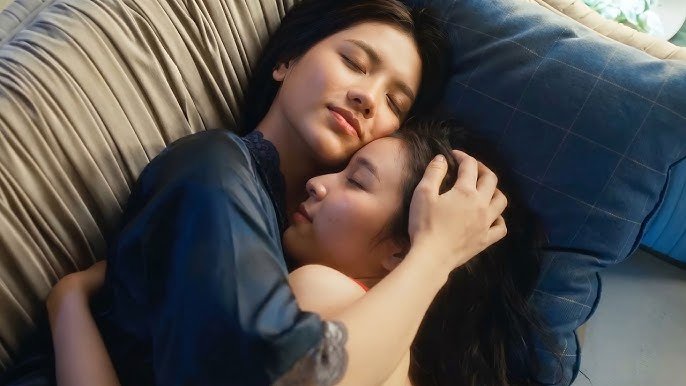
Where the direction triumphs is in its fluid handling of flashbacks and memory integration, maintaining spatial-temporal clarity. Cinematography emerges as a standout asset; tightly framed close-ups during intimate moments between Aran and Leny amplify raw emotional friction and psychological vulnerability.

Harmonious Performances
Aya Orapan and Mie Phattaranan Padpai display palpable on-screen chemistry that anchors the complex emotional core. Aya commands the screen with a sharp psychological arc, transitioning seamlessly from overwhelming grief to militant resolve. Mie brings compelling layers of ambiguity, masking hidden vulnerability and fierce protectiveness behind a stern facade. While certain moments demand deeper silent nuance over dialogue, their magnetic screen presence carries the narrative effortlessly.

Lighting Disparities and Intimate Dynamics
Visually, the production stumbles during flashback sequences, where inconsistent lighting occasionally blurs temporal lines. This flaw becomes more pronounced during intimate encounters, where stray shadows disrupt crucial close-ups. Lacking dedicated intimacy coordination, the actors rely on sheer raw instinct, delivering a tender, body-language-driven portrayal of affection that remains relatively conservative due to network standards. Yet, their organic chemistry injects authenticity into the passion, preventing the romantic arcs from feeling tacked on.