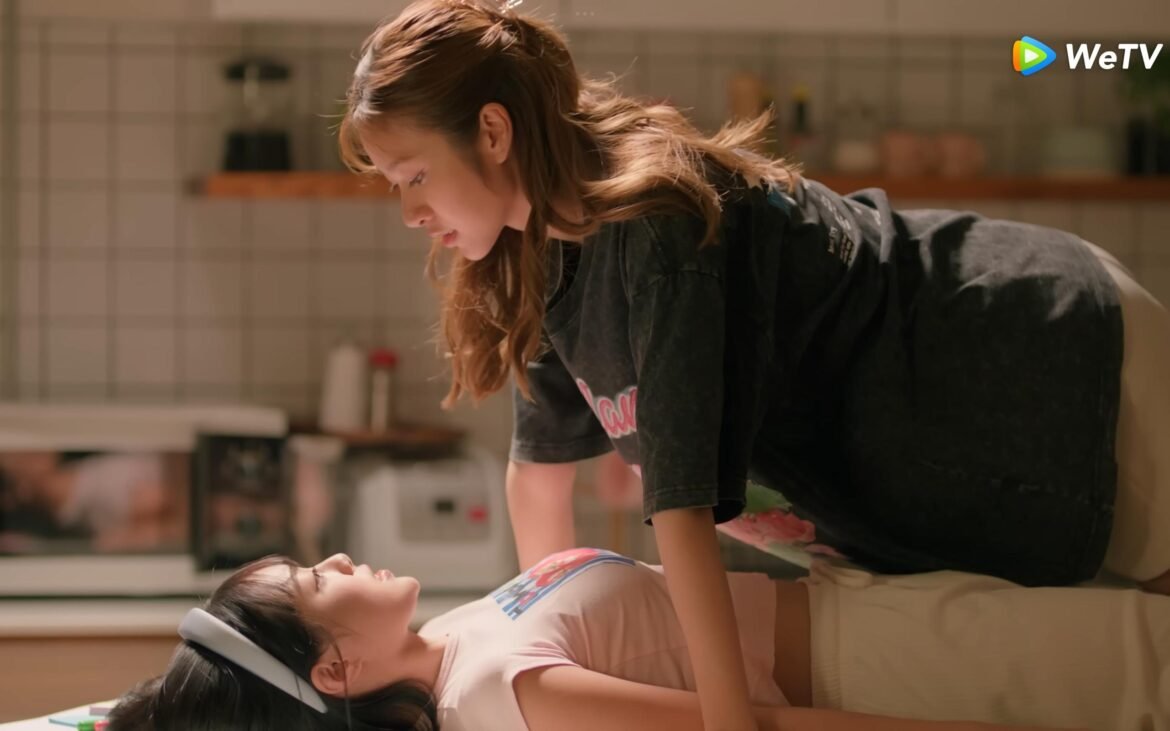
The landscape of Thai Girls’ Love (GL) dramas has witnessed an unprecedented production boom over the past four years, with streamers and studios aggressively vying for viral dominance on social media. Amidst this content gold rush, “Queendom” emerged as one of the most heavily hyped and highly rated properties of the year. Armed with what reads on paper as a compelling and innovative IP—a body-swap between bitter industry rivals Ray and Print—the series seemed poised to elevate the genre. Yet, when stripped of the deafening fandom chatter and examined under a rigorous critical lens, a vastly different picture comes into focus. The inflated aggregate scores across digital platforms do not reflect a structurally sound narrative; rather, they underscore an audience so starved for fresh tropes that they are willing to overlook glaring foundational cracks.
Through a careful deconstruction of the show’s narrative architecture, it becomes evident that the series fails to deliver on its ambitious dramatic promise, proving that the outsized digital adoration is ultimately unearned.

A Rushed and Hollowed-Out Premise
The first major misstep lies in the structural mishandling of its core body-swap mechanic. Trading physical identities is hardly a new conceit in global entertainment, but it demands a complex psychological scaffolding to anchor the characters’ internal turmoil as they face a violent existential rupture. In this series, the swap is executed with jarring abruptness in the early episodes, long before the audience is given the bandwidth to understand Ray and Print’s psychological baselines. This rushed pacing drains the inciting incident of its dramatic gravity. Instead of exploring the terrifying sensory dissonance and psychological weight of adopting a new identity, the narrative fast-tracks the swap, reducing an existential crisis into a cheap, superficial device to expedite the romance. The writers’ room approached a massive identity crisis with baffling levity, sidelining the trauma of losing one’s physical autonomy in favor of lightweight situational comedy.

Zero Organic Chemistry
The critical autopsy leads next to the show’s forced emotional progression and a glaring lack of organic chemistry between the two leads. Positioning the protagonists as fierce adversaries is a classic television trope, one that requires a meticulous, slow-burn transition from professional hostility to romantic magnetism. What translates on screen, however, is a series of unearned emotional leaps. The interplay between actresses Pam and Arung frequently lacks authentic heat, rendering scenes designed to pulsate with romantic tension as tepid exchanges more akin to casual roommates. Furthermore, the inherent distress of navigating newfound romantic feelings while trapped in the wrong vessel is completely squandered. Rather than leveraging this tension to question whether true love is rooted in the soul or the physical form, the script bypasses the complexity with neat, hastily wrapped resolutions. This clumsy romantic build-up makes the central relationship feel like a mandate handed down by network executives rather than a natural, character-driven evolution.

Sagging Pacing and Flimsy Subplots
A third fatal flaw is the show’s meandering narrative structure, a chronic symptom of the standard twelve-episode Thai drama format. Once the initial novelty of the body-swap wears thin in the first half of the season, the showrunners are left scrambling to fill the runtime. The result is a reliance on manufactured side-quests that violently pull focus from the central arc. Peripheral storylines—reality show revenge plots, contrived talent manager crises, and the tired trope of meddling mothers—serve as artificial roadblocks that consume valuable screen time without adding a shred of character depth. This erratic pacing severely damages the back half of the season, swapping the necessary emotional density of the leads’ relationship for bloated, melodramatic filler. The reality show sequence, wherein the “Star Glamour” title is reclaimed, could have offered profound psychological insight into Ray reclaiming her stolen identity. Instead, it is staged as a hollow theatrical spectacle designed purely to stretch the episode count, leaving discerning viewers exhausted by the narrative bloat.

Glossy Aesthetics Devoid of Substance

Further compounding the show’s issues is an overreliance on empty visual aesthetics at the expense of psychological grounding. The director leans heavily into a highly stylized visual grammar—pastel palettes, aggressively dreamy lighting, and on-the-nose motifs like fractured mirrors and claustrophobic photo booths to signify fractured identities. While undeniably sleek and telegenic, this visual flair remains entirely disconnected from the show’s emotional fabric. The cinematography acts as a glossy, soft-focus veneer masking a deep poverty of psychological exploration. The mirror sequences should have provoked brutal introspection, forcing the audience to experience the horror of a character staring into the eyes of her rival while trapped in her skin. Similarly, the pivotal episode seven photo booth scene could have served as an intimate confessional space for identity reconciliation; instead, it is reduced to a generic, rain-soaked romantic cliché. These stylistic choices feel engineered exclusively for viral screen-grabs on social media, reducing a potentially complex drama into a superficial mood board devoid of human depth.

Commendable Performances Stranded by a Rigid Script
The final point of failure is the frustrating dissonance between the earnest efforts of the ensemble cast and the sheer fragility of the material they are forced to elevate. It is undeniable that the core cast—notably leads Pam and Arung, alongside scene-stealing supporting players Wanmai and Saifon—put in significant physical and vocal work to breathe life into their two-dimensional characters. The subtle modulations in vocal tone and body language required for the body-swap are handled with respectable dexterity. Yet, no amount of acting caliber can salvage a screenplay crippled by clichéd dialogue and poorly mapped character arcs. The actresses are left stranded by a rigid script that refuses them the space to explore nuanced motivations or layered internal conflicts. This profound lack of directorial vision and narrative sophistication traps their performances in the realm of external mimicry, forcing the cast to overcompensate for the emotional void left by the screenwriters. Even the supporting characters, who initially hint at a more mature dynamic, are eventually flattened to serve predictable, exhausted tropes.

The Bottom Line
When all narrative and technical elements are laid bare, “Queendom” stands as a textbook example of a production propelled entirely by digital marketing algorithms and online echo chambers rather than genuine artistic merit. The allure of an innovative hook should not blind critics to the catastrophic execution that squandered a rare opportunity to deliver a unique psychological romance. Exceptional television is not quantified by its ability to dominate trending hashtags or secure temporary spots on streaming charts; it is measured by its capacity to craft breathing, contradictory characters and weave relationships authentic enough to resonate on a human level. Despite the loud chorus crowning it as a 2025 masterpiece, the series remains a remarkably undercooked endeavor that lost its way in the shallows—a prime example of a show masquerading as prestige television when it is, in reality, a flimsy construct unworthy of the breathless hype.