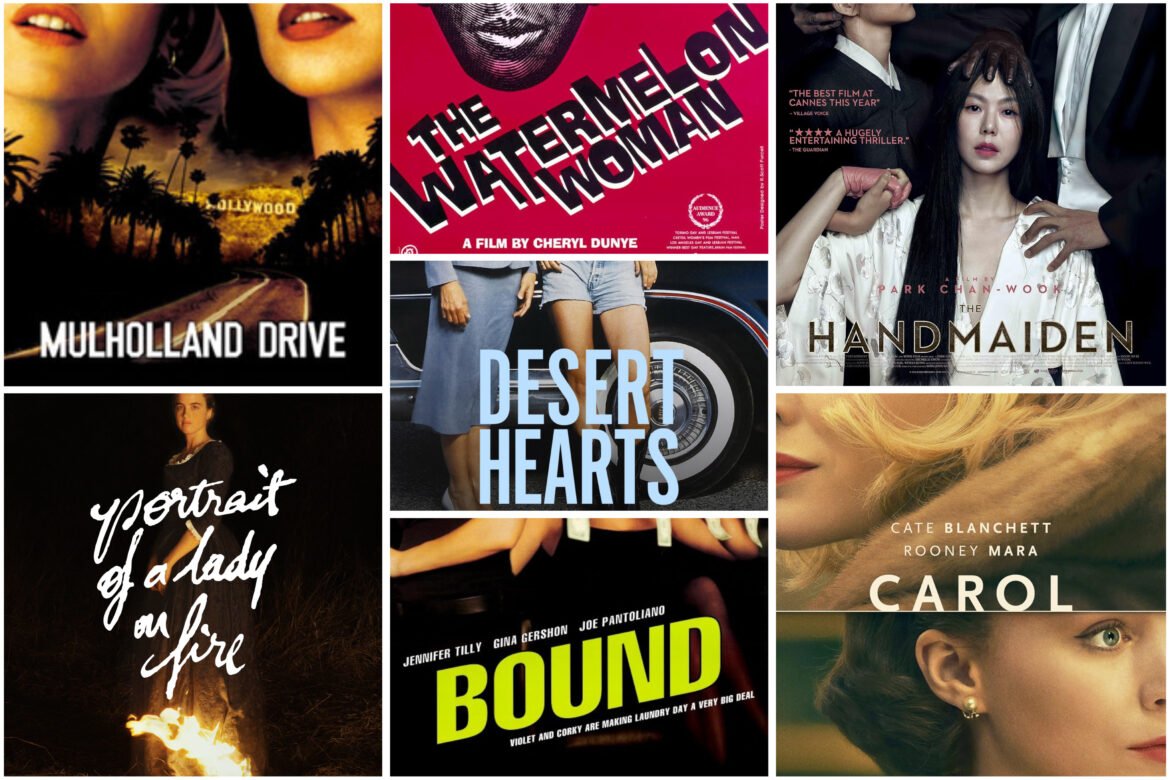
The evolution of Sapphic cinema is rooted in the deconstruction of the male gaze and the reclamation of desire through a distinctly feminist lens.
Critically, the importance of these films lies not within conventional romantic tropes, but in their ability to employ innovative visual languages and narratives that transcend stereotypes.
Below is a critical ranking of the most influential films in Sapphic cinema, evaluated by their artistic value and impact on global filmmaking.

1. Portrait of a Lady on Fire (2019)
Directed by Céline Sciamma, this French masterpiece stands as a pinnacle of modern feminist and queer filmmaking.
The film is celebrated for its total elimination of the male gaze, replacing it with a mutual, egalitarian look between the painter and her subject.
Winner of the Best Screenplay and the Queer Palm at the Cannes Film Festival, it achieved immense critical acclaim for its innovative use of silence, natural light, and the near-total absence of a musical score.
2. Carol (2015)
Director Todd Haynes delivered a visual triumph that garnered six Academy Award nominations. The critical brilliance of the film rests on its meticulous portrayal of repressed desire in 1950s America.
Through precise cinematography—often framing characters through windows and rainy glass—Haynes captures social isolation and surveillance without succumbing to cheap melodrama.
3. The Handmaiden (2016)
Renowned for psychological thrillers, South Korean auteur Park Chan-wook masterfully adapted Sarah Waters’ novel Fingersmith, transplanting it to Japanese-occupied Korea. Critics praise the film for blending gender identity and class deception into a stunning visual spectacle.
The bond between the two female leads ultimately functions as a tool for liberation and vengeance against patriarchal control.

4. Mulholland Drive (2001)
David Lynch’s surrealist masterpiece consistently ranks among the greatest films of the 21st century in British Film Institute (BFI) polls.
While structured as a complex psychological puzzle, feminist and queer critique highlights the central relationship as a tragic deconstruction of Hollywood illusions, embodying the fragmentation of identity and desire within a ruthless industry.

5. Desert Hearts (1985)
Directed by Donna Deitch, this film holds a monumental place in cinema history as the first American independent feature explicitly focused on Sapphic themes to be directed by an openly lesbian filmmaker.
Its critical significance stems from shattering Hollywood’s historic pattern of tragic endings for queer characters, offering instead a mature, nuanced, and grounded romance.
6. Bound (1996)
The debut feature of the Wachowskis introduced a critical shift to the neo-noir genre.
By subverting the traditional femme fatale archetype, the film places two women at the center of a heist against the mafia.
This subversion infuses a mainstream commercial thriller with an unexpected layer of agency and feminist liberation.

7. The Watermelon Woman (1996)
Directed by Cheryl Dunye, this is the first feature film directed by an openly Black lesbian filmmaker. Its critical value derives from its experimental mockumentary style, which unearths and interrogates the erasure of Black queer women from Hollywood’s golden era, bridging the gap between archival history and cinematic fiction.