The return of Tony Gilroy’s ‘Andor’ for its second and final season on Disney+ confirms what many suspected after its debut: this isn’t just a “Star Wars” show—it’s a sophisticated political thriller that happens to be set in a galaxy far, far away. In its sophomore outing, the series remains a staggering testament to the power of prestige storytelling, even as it bumps against the inevitable limitations of being a prequel tied to a fixed destination.
Season 2 picks up the baton with a daring narrative structure, jumping through time to bridge the four-year gap leading directly into the events of Rogue One. Diego Luna returns as Cassian Andor, no longer a reluctant scavenger but a focused cog in the burgeoning, and increasingly violent, Rebellion.
The Triumph of Adult Storytelling
Where most franchise spin-offs lean on “Easter eggs” and lightsaber cameos, Andor doubles down on its gritty, ground-level perspective.
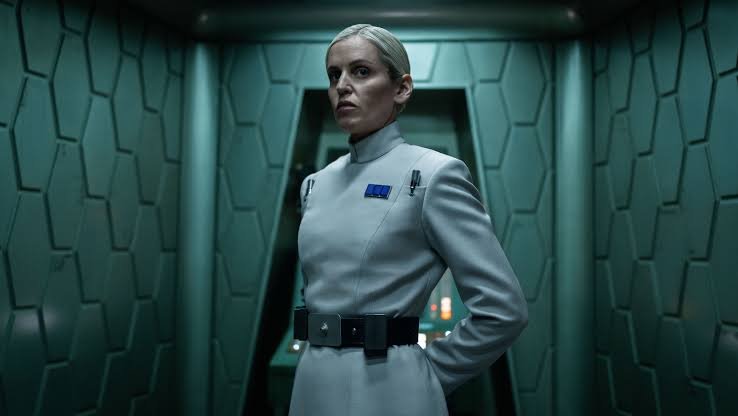
• The Bureaucracy of Evil: The series continues to excel in its portrayal of the Empire not as a monolith of caped villains, but as a terrifying machine of middle-management and systemic oppression. Denise Gough’s Dedra Meero remains one of the most chilling antagonists in modern television.
• Moral Ambiguity: The “power” of this story lies in its refusal to paint the Rebellion in purely heroic strokes. We see the heavy cost of revolution—the betrayals, the cold-blooded pragmatism of Stellan Skarsgård’s Luthen Rael, and the soul-crushing secrets required to topple a regime.
• Tactile Realism: From the clatter of industrial machinery to the hushed corridors of the Imperial Senate, the production design rejects the “plastic” look of modern CGI in favor of a lived-in, decaying world.
The Limitation of the Prequel Path
Despite its brilliance, the final season does grapple with the inherent constraints of the prequel format. Because we know exactly where Cassian, Mon Mothma, and the Death Star plans end up, the tension is occasionally undercut by “narrative destiny.”
• The Time Jumps: The decision to cover four years in twelve episodes—grouped into three-episode arcs—is a bold creative choice. While it keeps the pace frantic, it occasionally leaves the viewer wishing for more time to sit with the characters during the quiet, transformative moments between the action.
• The Weight of the Canon: As the timeline draws closer to the 1977 original film, the show must work harder to maintain its unique tone without being swallowed by the broader Star Wars lore.
The Verdict
Andor Season 2 is a rare achievement in blockbuster television. It is a dense, demanding, and deeply rewarding exploration of how ordinary people are pushed to do extraordinary—and often terrible—things.
While it is bound by the fate we saw on the beaches of Scarif, the journey there is so meticulously crafted that the destination feels secondary to the struggle. It stands as a reminder that the best “Star Wars” stories aren’t about the Jedi or the Force, but about the human spirit’s refusal to be extinguished. For those seeking a story with teeth, Andor remains the gold standard of the streaming era.