Nestled within the emerald embrace of the Neckar River Valley, Heidelberg remains a rare jewel in Germany’s cultural crown. Having largely escaped the devastation of World War II, the city stands as a living canvas of Baroque architecture and home to the nation’s oldest university. Yet, for the modern globetrotter operating on a tight European itinerary, a persistent question looms: can one truly capture the soul of this romantic haven in just 24 hours without turning the getaway into an exhausting sprint?
The answer lies in the city’s meticulously planned infrastructure. By blending a seamless tram network (Straßenbahn) with a sprawling, pedestrian-only historic core, Heidelberg lends itself beautifully to an effortless, unhurried day-trip that favors slow exploration over chaotic sightseeing.
The Gateway: Seamless Transit Opens the City
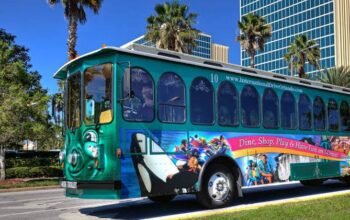
The ideal day begins not with logistical stress, but with the quiet efficiency of the VRN transit network. For solo travelers, a €9.30 day ticket (Tages-Ticket) unlocks unlimited access to the city’s trams, which glide effortlessly from the Central Station (Hauptbahnhof) straight to the threshold of the Old Town at Bismarckplatz.
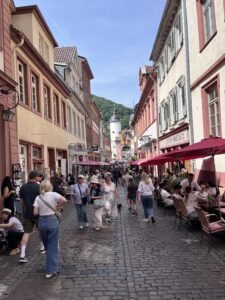
Stepping off the tram, visitors are greeted by the Hauptstraße, one of Europe’s longest pedestrian high streets. The experience here is intentionally unhurried. Cobblestone paths guide you through a vibrant mix of contemporary boutiques and historic gabled buildings. It is a stretch designed for casual drifting, punctuated by the aroma of freshly roasted coffee from local cafés, where the city’s distinct student energy adds a youthful pulse to the historic backdrop.
The Old Bridge: A Living Postcard
A gentle detour toward the riverbanks brings travelers face-to-face with the Old Bridge (Karl-Theodor-Brücke), an 18th-century sandstone masterpiece and a triumph of Baroque engineering.
Strolling across this pedestrian-only landmark offers a cinematic, multi-dimensional view of Heidelberg without requiring a strenuous uphill trek. From the center of the bridge, the ruins of the famous castle appear perfectly framed against the hillside. At the bridge’s grand gate, the whimsical bronze “Bridge Monkey” holds up its mirror—a beloved fixture that draws travelers not just for photos, but for a touch of local folklore that promises good fortune to those who cross its path.
Heidelberg Castle: An Effortless Ascent Through Time
Reaching the city’s crowning glory, Heidelberg Castle (Schloss Heidelberg), requires zero physical strain thanks to the historic funicular railway (Bergbahn). Departing from the Kornmarkt station just off the market square, the mountain railway does all the heavy lifting, whisking visitors up the hillside in mere minutes.
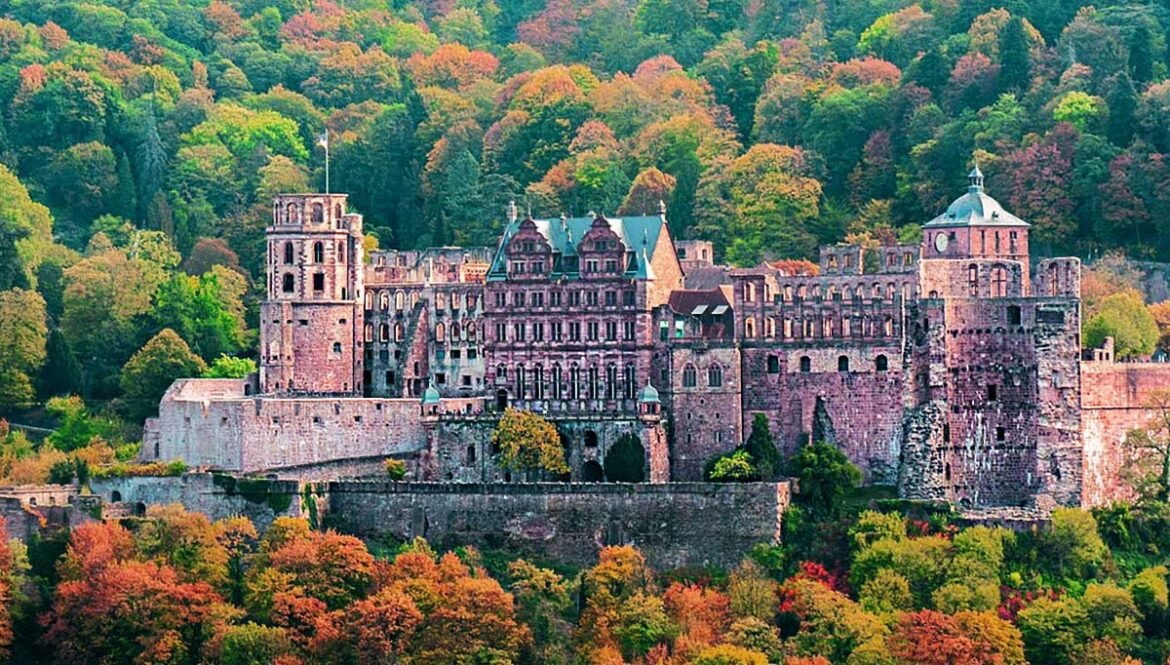
Amidst the red sandstone ruins, history and nature blur. The castle’s expansive terraces offer a sweeping, panoramic look at the entire valley, the Old Town, and the shimmering river below. Inside the cellars, the legendary Heidelberg Tun (Großes Fass)—an enormous 18th-century wine vat—adds a touch of historical eccentricity to the tour, which naturally concludes with a peaceful stroll through the palace’s sprawling gardens.
Twilight in the Altstadt: A Baroque Finale
As evening approaches, the funicular gently deposits travelers back into the heart of the Old Town (Altstadt), specifically at the historic Marktplatz, dominated by the towering Church of the Holy Ghost.
As night falls, the narrow, cobblestone alleys transform into intimate, candlelit corridors. Traditional taverns and bistros open their doors, offering hearty seasonal dinners in warm, welcoming settings. These final hours provide the perfect vantage point to absorb the city’s enduring charm—proving that Heidelberg does not need to be rushed to be remembered, and that twenty-four hours, when spent deliberately, is more than enough to fall under its spell.