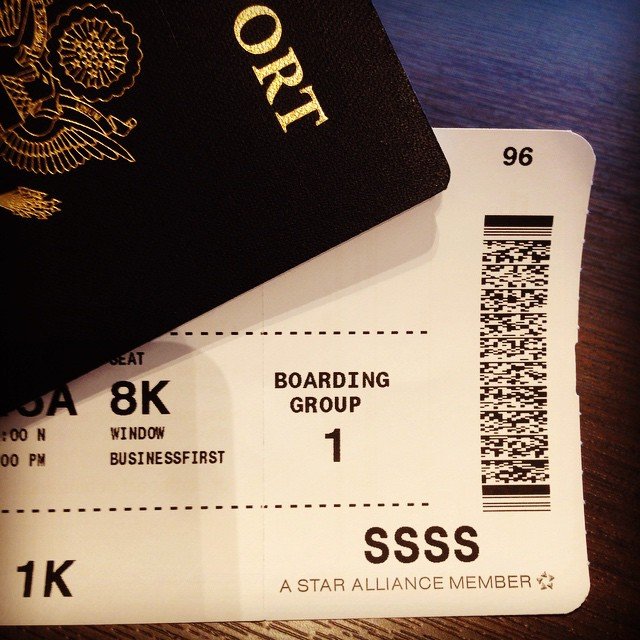
Aviation experts have revealed that boarding passes feature a coded “secret language” utilized by airlines and airport authorities. These alphanumeric strings dictate how passengers are handled, steering everything from service levels to security protocols throughout their journey.
Industry data suggests that what most travelers dismiss as random system clutter actually carries precise indicators regarding ticket pricing, cabin sub-classes, and security screening tiers.
Key Security and Fare Codes Explained
Enhanced Screening Flags (SSSL or SSST): Universally dreaded by frequent flyers, this code stands for Secondary Security Screening Selection. Its presence indicates that automated security systems have flagged the passenger for rigorous, mandatory screening at the departure gate, a process involving exhaustive baggage searches and physical inspections.
Fare Class and Cabin Indicators (Y, J, F): Far from just identifying a seat assignment, these specific letters signal the exact pricing tier of the ticket. The letter (Y) denotes a full-fare economy ticket, representing the highest price point within the coach cabin. Meanwhile, (J) indicates a business class booking, and (F) marks a first-class reservation.
Codeshare Operations: The appearance of the phrase “Operated by” points to codeshare agreements and airline alliances. This mechanism allows passengers to purchase a ticket through one carrier, while the actual flight is operated by a partner airline using its own aircraft and crew.
The global aviation sector relies heavily on these standardized, intelligent data systems to streamline passenger traffic and sync logistics across international hubs, effectively turning a simple boarding pass into an operational blueprint of the entire journey.