Orlando is a metropolis defined by vast geographical spreads. With major hubs split between Downtown, the tourism corridors, and the sprawling theme park resorts, selecting the right transit strategy is paramount to maximizing both time and budget. Here is a comprehensive breakdown of the city’s transportation infrastructure.
Dedicated Resort Transit Systems
For those staying within the Walt Disney World ecosystem, the resort offers a seamless, complimentary transit network that operates like a mini-metropolis. This includes an extensive fleet of shuttle buses, the iconic Monorail connecting key resorts to Magic Kingdom and Epcot, the modern Disney Skyliner gondola system, and a network of water taxis.
Outside the Disney bubble, most major hotels along the tourism corridors offer scheduled shuttle services to the main parks. While convenient, these are tied to strict morning and evening timetables, requiring precise planning.
The Arterial Route: I-RIDE Trolley
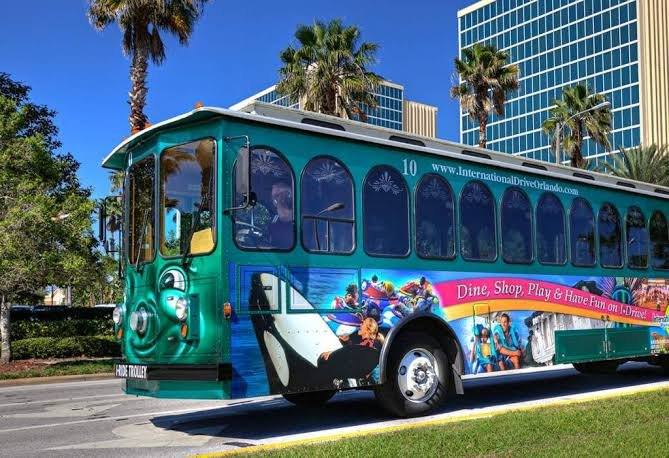
The International Drive (I-Drive) resort area, Orlando’s commercial and entertainment spine, is efficiently served by the I-RIDE Trolley. Operating across two primary routes—the Red and Green lines—this service links major dining districts, ICON Park, and the Premium Outlets. For visitors centering their itinerary around I-Drive, the single-ride fare is economical, but the multi-day unlimited passes offer exceptional value and remains the preferred choice for budget-conscious travelers.
Municipal Transit: The LYNX Network
For broader regional access, the LYNX bus system serves as Central Florida’s public transit backbone. It is the most cost-effective method for commuting to localized destinations, including Orlando International Airport (MCO) and the urban center. Within the immediate downtown grid, LYNX also operates the LYMMO service—a completely free, rapid-transit bus line that provides an excellent vantage point for exploring the city’s commercial and cultural core.
Regional Rail: SunRail and Brightline
Orlando’s rail landscape serves two distinct purposes. Locally, the SunRail commuter line connects the city center with historic northern and southern suburbs, such as the affluent Winter Park district. However, it operates strictly Monday through Friday and caters primarily to commuters rather than theme park tourists.
For interstate travel, the high-speed Brightline service operates out of a state-of-the-art terminal at MCO, seamlessly linking Orlando to South Florida’s major hubs, including Miami and Fort Lauderdale.
On-Demand Mobility: Ridesharing and Minnie Vans
Uber and Lyft operate with high density across Greater Orlando, providing the fastest door-to-door transit and eliminating wait times associated with scheduled shuttles. A premium alternative within the Disney property is the Minnie Van service. Operated via the Lyft app and driven by Disney cast members, these vehicles possess exclusive drop-off privileges, bypassing standard traffic lines to deposit passengers directly at park entrances.
The Autonomy of Car Rentals
Renting a vehicle offers unparalleled freedom, which fits well with Orlando’s highway-centric design. Navigating the city’s expressways is straightforward, making it ideal for those carrying heavy gear or planning off-the-beaten-path excursions. However, this autonomy comes with hidden overheads, including frequent expressway tolls and steep daily parking fees at major theme parks and premium resorts.