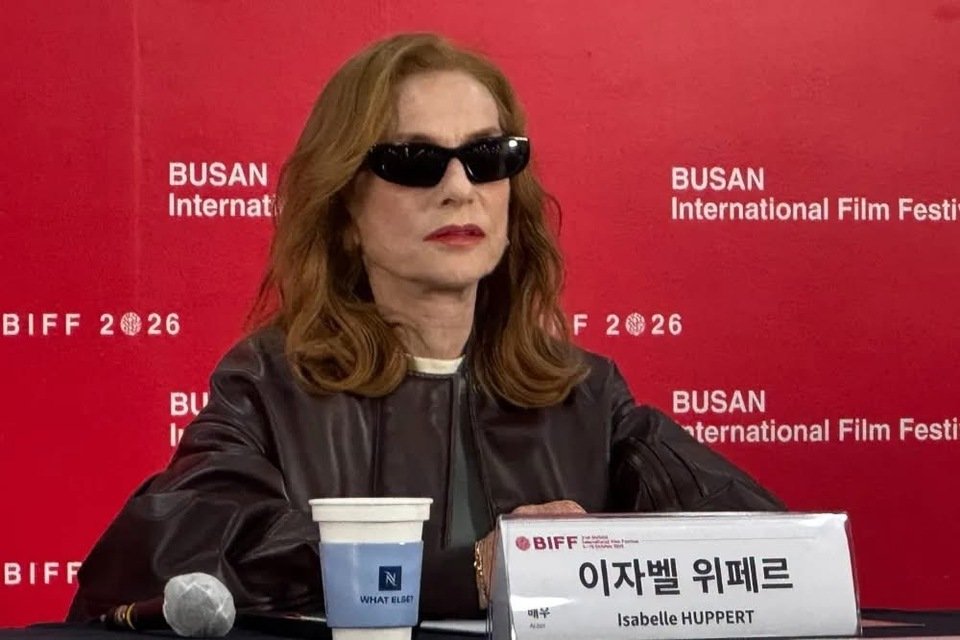
Addressing the pressing anxiety surrounding artificial intelligence during a press conference at the Busan International Film Festival, French icon Isabelle Huppert grounded the debate in her own extensive career, maintaining that the technology has yet to strip away her role as an actor, even if she acknowledges its potential future threat to the trade.
Speaking at the press conference for Marc Fitoussi’s Gala Presentation title All About Corinne, Huppert noted that she has not yet encountered the prospect of being replaced by algorithms, emphasizing that she remains the one doing the actual performance. So far, she added, it is her face appearing on screen, and she hopes that trend continues.
Her remarks arrived in response to queries regarding AI’s impact on employment opportunities in performance, amid mounting industry anxieties over generative tech producing digital likenesses, voices, and synthetic performances. While conceding that the threat exists theoretically, Huppert maintained an optimistic outlook, drawing parallels to historical anxieties over the death of cinemas or the extinction of vinyl records before their resurgence. Perhaps her optimism is misplaced, she admitted, noting that she cannot be certain.
During the session, Huppert also addressed internet chatter claiming AI enabled her to speak Korean and Japanese, laughing off the rumors by noting she only knows how to say annyeonghaseyo.
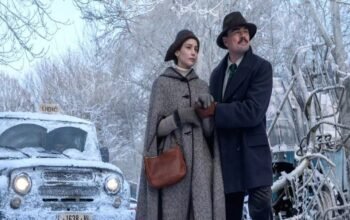
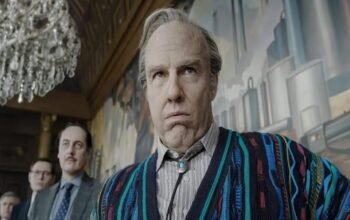
All About Corinne, which made its world premiere at Locarno, casts Huppert against type as Corinne Maclou, a background extra stubbornly clinging to her cinematic aspirations from the margins of the industry. The film chronicles her bond with another actor and features appearances from Sandrine Kiberlain and other notable talents playing heightened versions of themselves.
Discussing her preparation to play an extra, Huppert credited Fitoussi’s script and dialogue for doing the heavy lifting, noting she found no special difficulty in stepping into the role. She observed that portraying someone from a completely different profession would have been just as feasible, given that being an extra is simply a job like any other.
However, the actress pushed back against reading the film as a romanticized celebration of the acting life, explaining that the narrative exposes the harsher realities of a film industry where power and opportunity are unevenly distributed. This hierarchy extends beyond cinema into other professions and institutions, she noted, stressing that depicting these dynamics does not equate to painting the film world as villainous.
For his part, Fitoussi explained that the project began almost as a joke centered around giving one of France’s busiest actors a character who rarely gets a moment in the spotlight. He approached Huppert prior to scripting and only committed to writing once she signed on, subsequently reaching out to Kiberlain and the rest of the cast to appear as themselves.
The director revisited a fascination with background actors he previously explored in his 2008 documentary Des Figurants. He drew inspiration from a subject in that film who wore a pink scarf to catch directors’ eyes, translating that detail into Corinne’s signature lock of hair. Fitoussi shared that background performers evoke strong emotions because they inhabit an invisible sector of the industry, and what drew him to the project was giving these individuals a chance to headline the story, if only for once.
Looking ahead, Fitoussi revealed he had begun writing another vehicle for Huppert as a truck driver, though he shelved it upon learning Juliette Binoche tackled a similar role in an American film, leaving the door open to revisit the script later.
Huppert confirmed upcoming collaborations with Italian maestro Dario Argento, expressing enthusiasm for the project expected to roll cameras sometime next year. Fitoussi similarly noted he is in early development on a new venture, hoping to reunite with Huppert after a classic Joan Crawford picture sparked inspiration for a fresh cinematic treatment. Huppert offered a concise reply: she hopes so.
Arriving in Busan on the morning of the press conference, Huppert came directly from Seoul, where she participated in a dramatic reading of a novel by Nobel laureate Han Kang alongside Lee Hye-young, her co-star in Hong Sang-soo’s A Traveler’s Needs. The presentation originally debuted at the Festival d’Avignon, where South Korea served as this year’s guest of honor.
Marking Huppert’s third trip to Busan and Fitoussi’s inaugural visit to South Korea, the event highlighted the French star’s enduring ties to the region, including three collaborations with Hong Sang-soo. Earlier this year, Huppert was also elected as the first female president of the Cinémathèque Française.
Caught between artificial intelligence anxieties and the bittersweet journey of an industry outsider, the Busan panel opened a broader dialogue regarding the future of human performance in cinema, probing not just who captures the screen, but who retains ownership of the lived experience that gives imagery its soul.