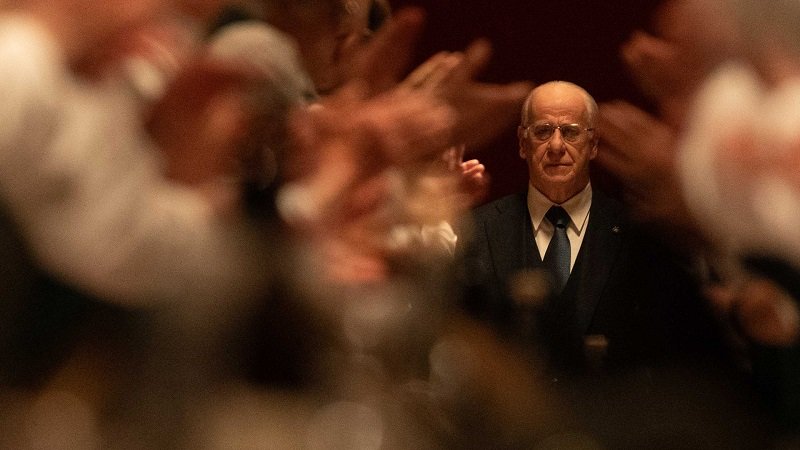
Academy Award-winning director Paolo Sorrentino is reportedly returning to the cinematic stage with a project titled La Grazia, a work that promises to dive deep into the stylistic and philosophical waters he navigated in The Great Beauty and The Young Pope.
Early whispers from the production suggest that the title carries a deliberate and heavy linguistic weight. In the Italian context, La Grazia serves as a poignant double entendre, oscillating between the legalistic concept of a state “pardon” and the ethereal, religious, or aesthetic concept of “divine grace.”
The Architecture of Duality
True to Sorrentino’s signature style, the film is expected to explore the tension between the profane and the sacred. Sources close to the project indicate that the narrative centers on a figure seeking redemption in a modern world that offers very little of it.
The “Pardon” aspect of the title hints at a story rooted in justice, societal judgment, and the clearing of one’s name. Conversely, the “Grace” element suggests a more interior, spiritual journey—one defined by moments of sublime beauty and the unexpected lightness of being that often characterizes Sorrentino’s protagonists.
Visual Grandeur and Philosophical Depth
While plot details remain closely guarded, the production is expected to feature:
• Cinematic Opulence: Vast, sweeping shots of Italian landscapes and architecture that act as silent characters.
• Existential Inquiry: A script that questions whether human forgiveness is enough, or if one requires a more profound, transcendental “grace” to find peace.
• Moral Ambiguity: Characters that exist in the grey areas of morality, challenging the audience to define what it means to be truly “pardoned.”
A Career Reflection
For Sorrentino, La Grazia seems to be a natural evolution. After the deeply personal and nostalgic The Hand of God, this new venture appears to pivot back toward the grand, symbolic storytelling that earned him international acclaim.
By playing with the dual meaning of the title, Sorrentino isn’t just naming a movie; he is setting a thematic trap for the audience. He invites viewers to wonder: Is the protagonist looking for a signature on a legal document, or a flicker of light in a dark room?
As the film moves into production, cinephiles and critics alike are waiting to see which side of La Grazia will ultimately prevail on the screen.