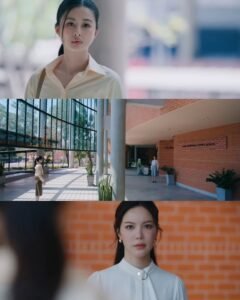
Far from the frivolous absurdity of commercial series filling the GL market, Shades arrives to soar like the mythical Roc with its expansive wings far above the entire genre classification, displaying its mastery across just six episodes during which it firmly secured a top-tier seat in this style of drama.
Shades delivered a seismic tremor that is both quiet and daring within this artistic space.
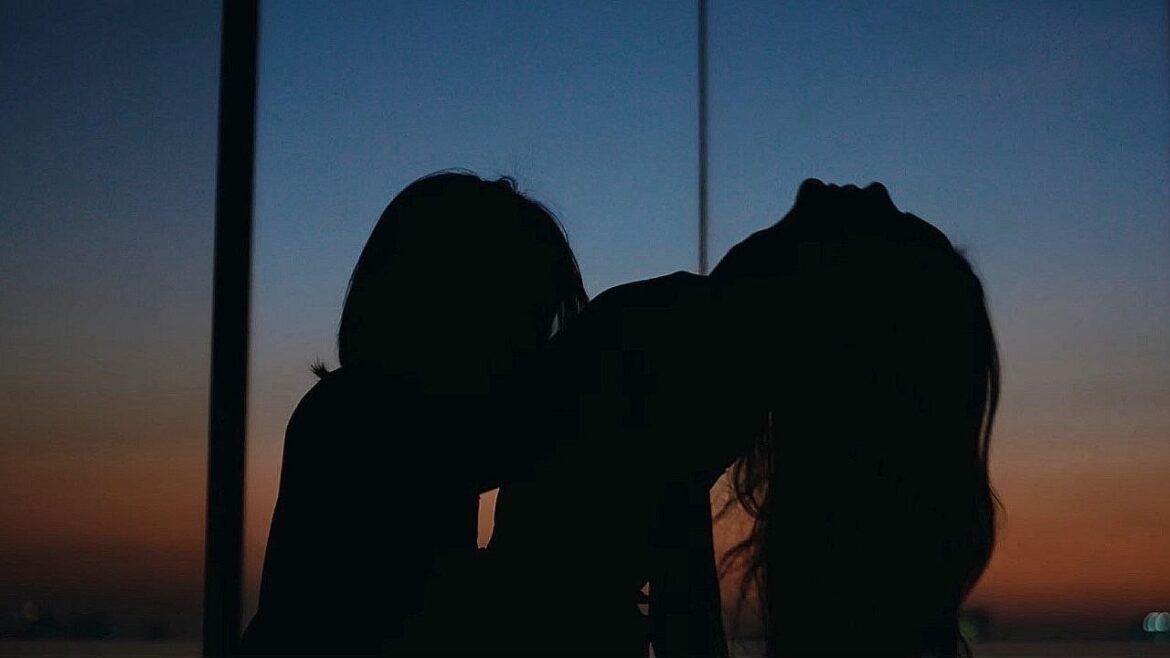
It is a work that refuses to grant viewers an easy emotional lifeline, preferring to descend into the dark, tension-charged depths of teenage psyches living under the roof of a private school presumed to be a sanctuary of perfection.
Maintaining a brilliant and brisk pace throughout, its six episodes are densely packed with events and characters, never missing a beat with its distinct musical score that serves the drama in a balanced, unexcessive artistic manner.
Yet, counterbalancing its cohesive and engaging beginning, the most prominent pitfall of the first episode of Shades is the visual and narrative confusion stemming from a lack of calm and clear character introductions.
Rather than providing viewers with a gradual entry to decode the school’s world, they are abruptly hurled into a crowd of seven main characters—six of whom share similar traits and general appearances—while explicit names or sufficient introductory cues are glaringly absent at the outset.
This deliberate or hurried omission leaves followers vulnerable to a state of mental distraction and disorientation, incapable of sorting out the individual features of each character or grasping the complex nature of their interrelationships, turning the opening minutes into a true test of viewer concentration rather than a seamless window into a promising story.

First: Dramatic Construction and Narrative Arcs
The creators of Shades stepped away from stereotypical good-versus-evil binaries, delivering a character-driven drama populated by grey characters.
The dramatic architecture rests on a principle of cause and effect; wrong decisions and individual egoisms do not pass unnoticed, instead leaving deep scars and cascading repercussions on the characters’ surroundings.
The work succeeded in spotlighting diverse, daring themes and genuine social maladies, such as the pressures of the educational system, the culture of bullying in private schools, and digital harassment involving the leak of private images and videos.
Second: Direction and Cinematography
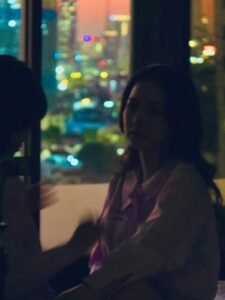
Visual imagery played the role of a hidden protagonist in this work, with cinematography serving not merely as documentation of events, but as a reflection of disturbed psychological states:
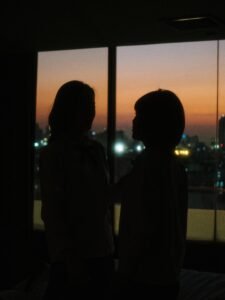
Lighting and Color Control: The director relied on a gloomy color palette and low-key lighting, imparting a bleak cinematic tone that matches the darkness of the plot and the digital leak scandals.
Framing Emotional Scenes: Body language and subtle expressions were intelligently employed; scenes of proximity and touch were not gratuitous displays, but carried the tension of early discoveries, fear, and attempts at intense, passionate expression without verbal communication.

Third: Acting Performances
The production featured a top-tier acting cast whose talent is beyond reproach, putting forth a performance effort worthy of pause—surpassing superficial expression to dive into the complexities of teenage emotions, fragility, and silent psychological pressures before the camera, especially in moments of collapse and delayed emotional release.

Fourth: Flaws and Technical Criticisms
Despite the substantial artistic value and daring approach of the work, it did not escape clear structural and technical flaws that affected the overall building of the experience, represented in the following:
1. Crowded Narrative Arcs and Time Constraints: The series suffered from a clear narrative bottleneck; the inclusion of an enormous number of main characters—more than three complex pairs in addition to the teachers’ plotline—within just six short episodes left the temporal space incapable of granting every arc its full developmental due.
This crowding led to the hurried handling of thorny crises, such as blackmail and financial pressures, in brief, compressed dialogues.
2. Ostentatious Gloom and Westernization: The series drowned in continuous tension and bleakness to the point of exhausting the viewer psychologically, with a near-total absence of breathing room or levity. A clear influence from American teen drama, styled after networks like the CW, was also noticeable, rendering it somewhat alienated from the realistic environment of Thai schools and their customary treatments.

3. Pronounced Disparity in Acting Performances: The sensitivity of complex situations highlighted a noticeable variance in experience; some dialogues and expressions among certain young novice actresses appeared artificial or lacked spontaneity and psychological depth, occasionally pulling the viewer out of immersion and identification.
4. The Cliffhanger Trap: The manner of concluding the first season formed a widespread viewer grievance, as many major issues were left hanging without resolution.
This felt as though the middle of the story was severed with a sharp knife simply to push the audience toward a second installment, rather than offering a balanced, complete interim dramatic closure.

Conclusion
Shades remains a courageous adventure and a double-edged sword; it succeeded in expanding the boundaries of what is dramatically possible for girls’ love dramas, yet simultaneously fell under the weight of its excessive ambition to cram massive stories into a tight, dark mold.
It is a work worth watching for its innovative value, but it leaves us wondering what it might have achieved had its pacing and narrative construction been granted a wider space to breathe.