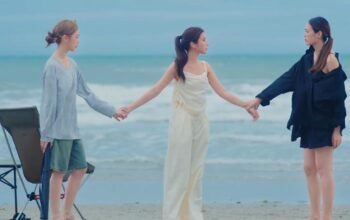
It was hardly a surprise that a series like “4 Elements: The Earth” achieved such widespread impact and well-deserved success following its late-January release across multiple platforms. Produced by North Star—the studio behind the world’s very first GL series, “Gap,” four years ago, as well as the critically and commercially acclaimed “The Royal Pin” featuring the same lead duo—this track record generated immense optimism among global GL fandom.
Fortunately, the enthusiasm surrounding the “Four Elements” project culminated in a tight, eight-episode run. Director Kittisak Cheewasatjasakun navigated the narrative smoothly with a consistent tempo, delivering moderate drama infused with gentle romance without rushing the plot or resorting to emotional manipulation.
This gentle, quiet romantic tone served as a fitting gateway for the franchise, seamlessly introducing characters from the subsequent three “Four Elements” installments to establish their standalone arcs.


Analyzing the Narrative Structure
- The Concept of “Earth” as an Authoritarian Metaphor: Earth is not presented as an abstract natural element, but as a symbol of ancestral inheritance and lingering patriarchal control. The core conflict extends beyond love versus duty, capturing Dean’s desire to preserve self-identity within the boundaries of ownership against Rose’s arrival as a disruptive element dismantling this closed ecosystem.
- The Contractual Marriage: The script employs the sham marriage trope to navigate social and institutional pressures. Deconstructing this mechanism reveals that the formal arrangement itself yields genuine feelings rather than the reverse, transforming legal formality into a safe space for emotional expression within a conservative setting.
- Shared Universe Foundation: The series successfully lays the groundwork for the “Four Elements” franchise, connecting family characters and offspring in an engaging manner that sets up future chapters.
- Situational Comedy: Mid-series episodes utilize well-crafted comedic setups around the marriage of convenience and unexpected arrangements, introducing a light tone without undermining the dramatic stakes.

Visual and Directorial Aesthetics
- Color Contrast and Lighting Dualities: From the opening episode, a visual contrast emerges between Dean’s world—dominated by earthy, dark tones like brown and olive green to signify obligation—and Rose’s presence, which introduces warm, light hues that break frame rigidity. This visual language stands in for spoken dialogue to chart the evolving relationship.
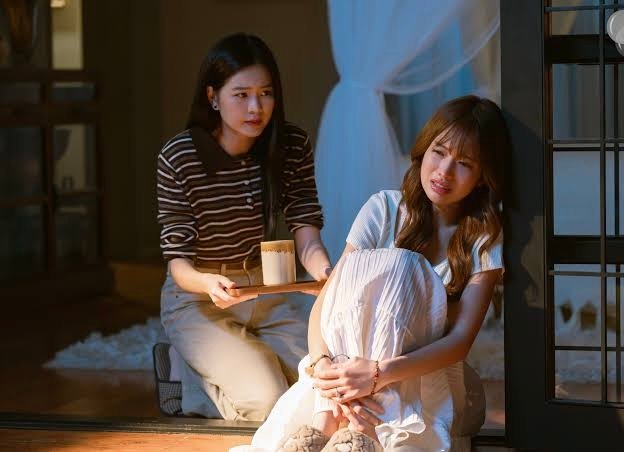
- Framing within Framing: Interior shots within the family home rely on medium framing bounded by doors and windows, evoking a sense of containment and self-surveillance. This technique visually translates societal pressure and inherited legacy before opening up into expansive external shots as the narrative shifts outdoors.
- Fluid Camera Work: The production fosters gentle romance by eschewing rapid cuts in favor of slow panning and sustained long takes. This choice serves the cumulative emotional rhythm, enabling viewers to track subtle shifts in real time.

Character Development and Pacing
- The Conflict Between Authority and Emotion: Structural friction arises in Dean’s characterization when her leadership skills in managing family crises clash with an inability to express immediate affection. This tension reflects a character caught between the mask of the responsible heir and the authentic self.
- Slow Burn as an Expressive Tool: The deliberate pacing of the first half functions as an intentional embodiment of the heavy, unyielding nature of the “Earth” element prior to sudden shifts in psychological balance.
Performance and Character Dynamics
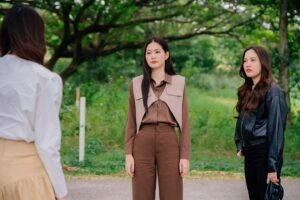
- Kinetic Harmony and Micro-expressions: Lead actresses Apple Lapisara and Mim Panthita anchor their performances in body language and subtle glances rather than direct dialogue. Lingering gazes and physical hesitation effectively convey internal conflict without melodrama, anchoring audience investment in the leads.
- Stylistic Contrast in Acting: Lapisara adopts a restrained performance style charged with discipline to project outward rigidity. Conversely, Panthita brings spontaneous vitality to Rose, creating a balanced energy dynamic that maintains engagement.
- Supporting Cast Performance: Certain secondary characters occasionally lean into overacting during comedic beats, creating a stylistic disconnect with the psychological realism maintained by the leads.
Lighting Design and Color Palette
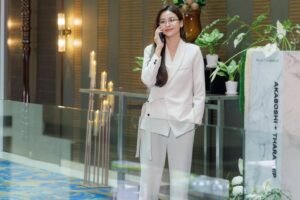
- Shadow and Light Contrast: Nighttime interiors employ sharp contrast, illuminating portions of the actors’ faces while leaving the rest in shadow to reflect dual lives split between public obligation and suppressed emotion.
- Thermal Color Shift: Formal spaces utilize cool, neutral tones, whereas warm sunset lighting gradually filters into the frame during intimate scenes, marking a transition from rigid isolation to emotional warmth.

Sound Design and Score
- Music as Alternative Dialogue: Classical arrangements featuring violin and cello replace dialogue during moments of silence, articulating internal conflict and deep-seated longing.
- Silence as an Audio Cue: The intentional absence of background score during pivotal confrontations relies solely on ambient sounds—such as wind or breathing—enhancing scene realism and emotional weight.
Ultimately, “4 Elements: The Earth” derives its artistic value not merely from being a transient romance, but from transforming “Earth” into a visual and dramatic metaphor for stability, emotional weight, and patriarchal constraint.
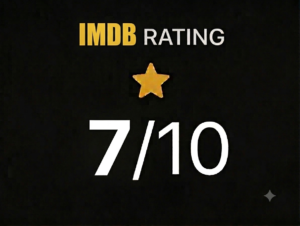
The project’s strength resides in its visual coherence and the nuanced chemistry between its leads, where lighting, framing, and silence communicate what dialogue leaves unsaid. Despite minor pacing stumbles and exaggerated supporting performances, the series stands as a solid, foundational entry in contemporary Thai drama.