Precision, coldness, and the razor-thin line between ambition and obsession take center stage in Zhou Jinghao’s Girl on Edge. While the film captures the shimmering, brutal beauty of competitive figure skating with breathtaking cinematography, the emotional narrative underneath often feels as brittle as the ice it portrays.
The story centers on the fractured relationship between a teenage skating prodigy and her relentless mother-coach. It is a familiar setup—the “stage parent” pushing a child to the brink—but Zhou attempts to elevate it through a lens of psychological surrealism and moody, atmospheric tension.
A Visual Masterpiece
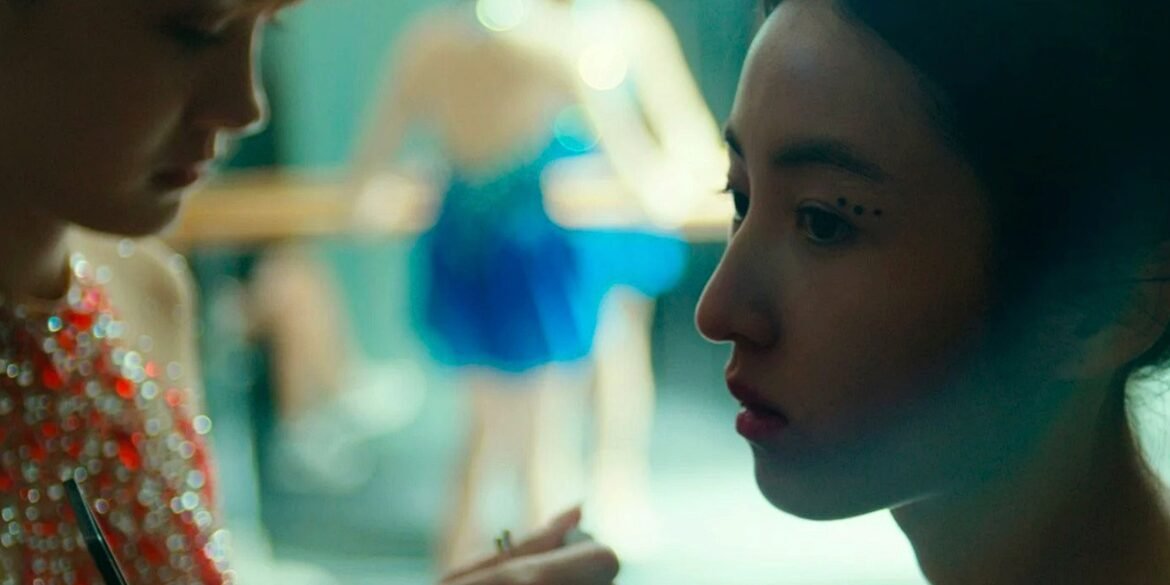
Technically, Girl on Edge is a triumph. The camera work during the skating sequences is intimate and kinetic, moving with a fluid grace that makes the viewer feel every rotation and every punishing fall. Zhou uses light and shadow to transform the rink into a haunting, isolated arena where the world outside the boards ceases to exist.
The “alluring” nature of the film lies in this aesthetic commitment. The costume design and the stark, wintry landscapes of the training facility create a dreamlike world that is easy to get lost in. For the first hour, the film succeeds in making the audience feel the physical toll of the sport and the suffocating pressure of a parent’s expectations.
Where the Narrative Stalls
However, as the drama deepens, the script begins to lose its edge. The “unsatisfactory” elements stem from a series of character motivations that feel more like plot devices than human emotions. The mother’s cruelty is presented as a constant, but we are rarely given a glimpse into the history that fueled it, leaving the character feeling like a one-dimensional antagonist rather than a tragic figure.
Furthermore, the film’s pacing begins to falter in the second half. Zhou lingers on long, silent shots of the protagonist staring into the distance, which—while beautiful—eventually feel like they are stalling for time rather than building character depth. By the time the film reaches its icy climax, the stakes feel strangely muted, and the resolution lacks the emotional payoff that the earlier tension promised.
The Verdict
Girl on Edge is a film of immense style but inconsistent substance. It is a stunning visual study of a sport that demands perfection, yet it fails to achieve that same perfection in its storytelling. While fans of arthouse cinema will appreciate Zhou’s directorial flair and the lead actress’s haunting performance, many will leave the theater feeling that the film, much like a flawed routine, missed its landing.
It remains an intriguing effort that confirms Zhou Jinghao as a director to watch for his visual language, even if this particular outing leaves the heart a bit colder than intended.