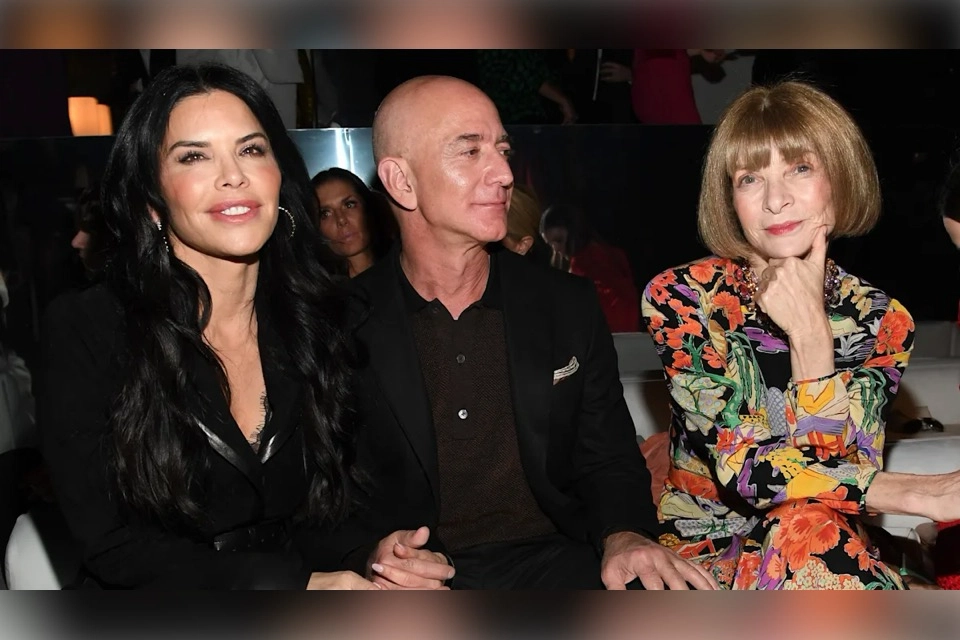
The 2026 Met Gala was intended to be a coronation of sorts for Jeff Bezos and his wife, Lauren Sánchez Bezos, who stepped into the spotlight as honorary co-chairs after bankrolling the Costume Institute’s latest exhibition with a staggering $10 million donation. Instead, the event—traditionally a celebration of high fashion—became a staging ground for a populist revolt that challenged the billionaire’s attempt to purchase cultural legacy.
As the tech mogul sought to align his brand with the refined world of “Costume Art,” he was met with a “Resistance Runway” and a city-wide boycott that effectively redefined the narrative of the evening. The backlash was so intense that Bezos, despite his lead sponsorship, reportedly skipped the iconic museum steps entirely, opting for a discreet rear entrance to avoid the throngs of demonstrators.
A Masterclass in Creative Dissent
The protests, orchestrated by a coalition of advocacy groups including Rise and Resist and Everyone Hates Elon, utilized a blend of performance art and stinging social commentary to pierce the gala’s exclusive bubble. Activists successfully transformed the visual identity of the event, wheatpasting posters across Manhattan that reimagined the gala’s “Fashion is Art” theme as a “Moral Shit Show.”
The most striking moments of the counter-movement included:
• The Resistance Runway: Just blocks from the Fifth Avenue barricades, costumed citizens held their own fashion show, featuring outfits that tackled labor practices, environmental impact, and the influence of the “billionaire class.”
• The Projection Protest: On the eve of the event, activists projected the words “Boycott the Bezos Met Gala” onto the facade of the Amazon founder’s own Manhattan penthouse, ensuring the message hit close to home.
• Tactical Symbolism: In a nod to the widely reported working conditions in Amazon warehouses, protesters covertly placed 300 bottles of fake urine throughout the museum’s public spaces, a visceral reminder of the human cost behind the billionaire’s philanthropy.
The Cost of Influence
For many critics, the $10 million donation was viewed not as a gift to the arts, but as an exercise in “image management.” New York City Mayor Zohran Mamdani notably broke long-standing tradition by skipping the event, citing its misalignment with the city’s focus on affordability and labor rights. U.S. Senator Elizabeth Warren amplified the sentiment online, arguing that if Bezos could afford to bankroll the Met Gala, he could afford a higher tax bracket.
The controversy also reportedly caused friction within the A-list guest list. While stars like Beyoncé and Nicole Kidman maintained their co-chair duties, several other high-profile figures were notably absent, leading to speculation that the “Bezos association” had become a liability in an era of heightened social consciousness.
Redefining the Cultural Commons
The “People’s Met” movement represents a significant shift in how the public interacts with institutional funding. By refusing to let a major donation go unexamined, activists have signaled that culture cannot be bought without scrutiny. The 2026 gala served as a reminder that the Metropolitan Museum of Art belongs to the public, and its patrons are subject to the court of public opinion.
As the exhibition “Costume Art” opens to the general public this week, the shadow of the protests remains. The conversation has moved beyond what the celebrities wore and toward the ethics of who pays for the party. In the end, the most enduring image of the 2026 Met Gala may not be a designer gown, but the sight of a billionaire dodging his own red carpet—a clear sign that the public’s claim on culture is not for sale.