
The Palme d’Or, the prize for which the Cannes Film Festival is famous, is more than just a piece of gold and crystal. It’s the heart of a powerful economic engine that sustains the most historically and globally significant festival in the entertainment industry. An investigative report by Al-Jumhuriya, examining French figures and financial reports for 2024 and 2025, paints a picture of what lies behind the glittering lenses. While the world’s attention is focused on the famous steps of the Palais des Festivals, watching the latest fashion trends and tears of victory, a tireless financial machine is thriving behind the scenes.
The Cannes Film Festival is not merely a celebration of cinema; it’s a transnational economic institution that, over 79 years, has successfully transformed a small coastal city into a global financial hub for 12 days, generating economic returns that exceeded one billion euros in 2024, according to data from the Chamber of Commerce and Industry of the Alpes-Maritimes region of France.
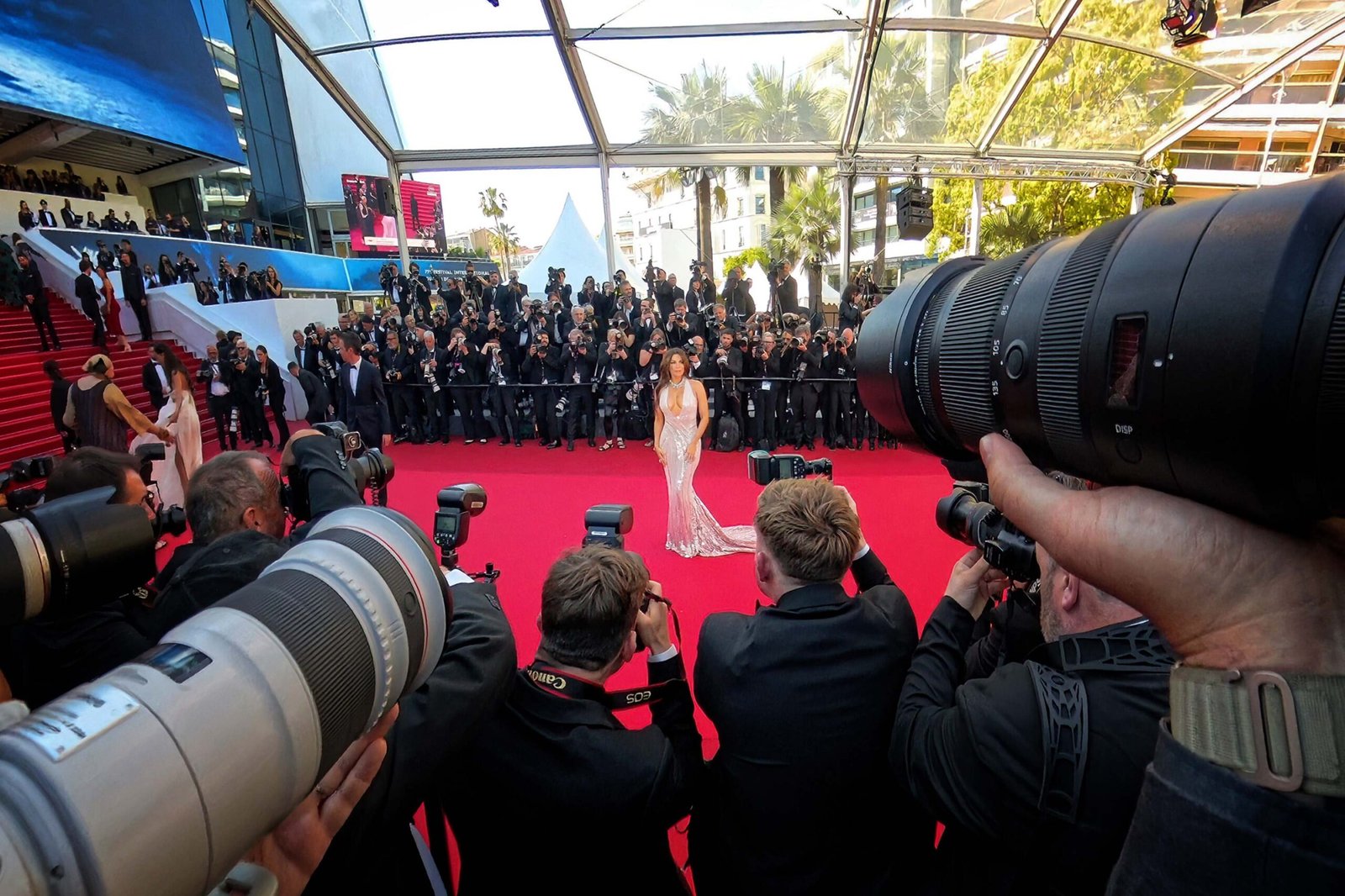
The Prestige Economy
Profit in Cannes isn’t limited to film ticket sales or distribution deals; it extends to the image industry itself. According to the latest French economic and press reports, specifically those from Le Figaro and Dossier de Presse 2025, the Cannes Film Festival’s budget and revenues represent a unique financial structure that blends official funding with commercial activity. The festival’s 2025 budget is approximately €35 million, according to the French news outlet CreditNews. This budget has jumped from around €30 million in previous years to reach this record figure to cover organizational costs, security, and new digital technologies. Meanwhile, the festival’s revenue, or economic return—according to the official press release from the Palais des Festivals—exceeds €1 billion annually. This includes sponsorship and partnership revenues, which contribute around €17.5 million to the original budget, and commercial revenues such as sales from the gift shop, broadcasting rights, and film market fees. The remaining budget comes from government support, approximately €17.5 million, sourced from the French Ministry of Culture, the City of Cannes, and the Provence-Alpes-Côte d’Azur region.
The substantial economic return also includes profits generated by the hotel sector, which alone accounts for 20% of this billion euros. And that’s just during the two weeks of the festival!
Meanwhile, the revenue from the film market, or deals made there, amounts to 750 million euros, according to a report by Marché du Film/Boxoffice Pro. These figures illustrate the vast difference between what the festival spends on its organization and the millions it generates behind the scenes in the film and tourism industries.

The Festival as a Brand
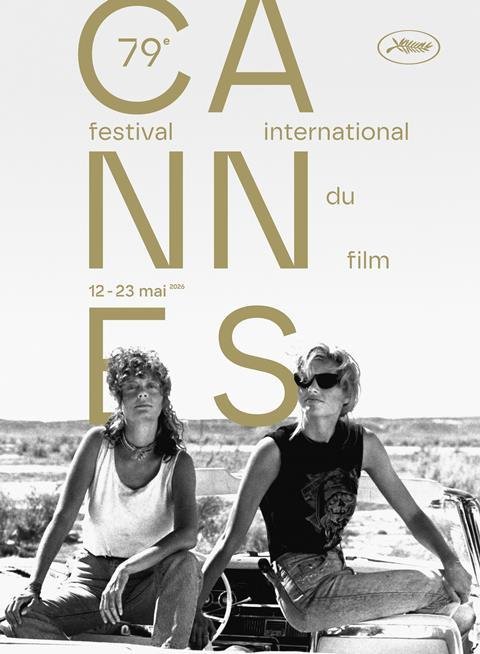
Looking at a small example of the festival’s revenue streams, the official gift boutique is a microcosm of the festival’s ingenuity in transforming its name into a global brand. According to reports in the business daily Le Figaro, the festival has successfully digitized its sales through a year-round online store, targeting an audience unable to access the famous Croisette, where the festival is located, and its numerous cinemas. The boutique’s strategy relies on rarity and quality. For instance, the official festival poster, which sells for an average of €25 to €50, is not just a piece of paper; it’s a work of art acquired by thousands annually.
This year, just two weeks before the start of the latest edition of the renowned festival, Nice-Matin reports that products bearing the “Made in France” label have seen record demand. Visitors prefer to pay a premium for sustainable products that reflect French elegance, thus increasing profit margins and reducing import and logistics costs.
Who Funds Cannes? The Cannes Film Festival is run by the French Association of International Film Festivals (AFTE), a non-profit organization, but its budget reflects a delicate balance. According to the French website Public Sénat, half the budget comes from public funds, represented by the Ministry of Culture, the City of Cannes, and the Provence region, while the other half comes from sponsors. And here lies the crux of the matter: major companies, such as the official transport partner or a renowned French cosmetics brand like L’Oréal Paris, don’t just pay for having their logo displayed; they pay for the “mental association” with the elite. These partnerships are not merely advertising contracts; they represent substantial funding that covers the costs of star accommodations, red carpet security, and state-of-the-art technical services.
List of Sponsorships and Contracts
The precise figures for sponsorship contracts are often shrouded in strict commercial secrecy in France, where the “contract value” for each individual company is not disclosed in the public reports of the French Festival Association (AFIF). However, by examining the financial reports for 2025 and 2026 and the economic analyses in newspapers such as Le Figaro, Stratégies, and Les Échos, we can draw a detailed map of the structure and rankings of these sponsors, all of whom are prominent names in their respective fields and yet are involved in financing Cannes.
First: The Official Partners for 2025/2026
This category is the “Major Sponsor” and includes companies whose names are synonymous with the festival’s identity:
L’Oréal Paris, Official Beauty Partner for over 27 years.
BMW, Official Transport Partner (taking over from Renault in 2022).
Chopard, Official Maker of the Palme d’Or.
France Télévisions & Brut, Official Media Partners (Broadcasting and Digital Rights).
Campari, Official Drinks and Events Partner.
Kering, the group that owns Gucci and Yves Saint Laurent through the “Women In Motion” program.
Mastercard, Official Payments Partner.
Second: How Much Do They Pay?
Based on French economic reports, particularly Public Sénat and Le Monde, private funding, representing approximately €17.5 to €20 million of the total budget, can be broken down as follows:
Diamond Sponsors (L’Oréal, BMW, Chopard):
Estimates: Each of these partners contributes between €2 and €4 million annually.
These sums are not always paid in cash; a significant portion is in-kind. For example, BMW provides a fleet of over 200 electric vehicles with drivers, Chopard supplies the Palme d’Or and jewelry, and L’Oréal provides a full team of makeup artists for the stars.
Media Partnerships (France Télévisions):
According to a Le Parisien report published in April 2026, France Télévisions is pursuing an austerity policy but remains the primary sponsor of broadcasting. Broadcasting and co-production rights are valued at several million euros, paid to cover the opening and closing ceremonies.
Technical sponsors (TikTok, Mastercard, Nespresso):
These companies pay between €500,000 and €1.5 million. In return, they receive advertising space at the Palais des Festivals and the right to use the festival’s logo in their global campaigns.

Third: The “Mental Association” Game .. Why Do They Pay?
The French magazine Stratégies reported that the return on investment (ROI) for sponsors at Cannes is not measured by direct sales, but rather by the value of media exposure or the appearance of the company logo alongside stars on the red carpet. This saves millions of euros that would otherwise be spent on traditional advertising.
Green Sponsorship
In 2025, contracts increased by 15% because companies began paying extra to associate their names with the festival’s environmental initiatives, such as BMW’s all-electric cars and the festival’s recycled carpets.
Fourth: The Film Market (Parallel Income)
There are “sponsors” of the market itself, such as J.P. Morgan, who pay sums specifically allocated to support professional events and seminars. These sums are included in the separate “Film Market” revenues.
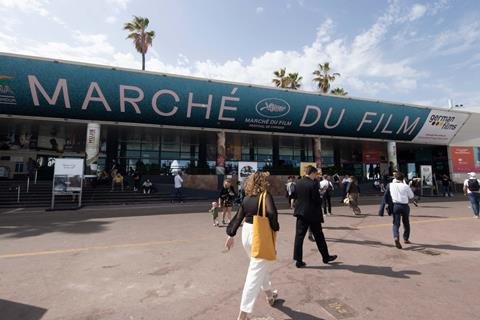
The Film Market and Its Profits
In 2025, reports indicate that sponsorship contracts saw a 15% increase due to a shift towards technical and environmental sponsorships. Meanwhile, the film market, where multi-billion-euro deals are made, is the real powerhouse. If the festival is the “front,” then the film market is the “kitchen.” This market is the largest in the world, with over 14,000 professionals from 120 countries participating in 2024. According to the French website Boxoffice Pro, deals struck in the lower levels of the Palais des Festivals exceed €750 million annually.
The festival doesn’t profit from the deals themselves, but rather from the rental fees for a stand or pavilion for a country or major corporation, which can reach tens of thousands of euros, in addition to the accreditation fees paid by thousands of professionals to gain access to this strategic area. This is the economy that transforms cinema from an “artistic vision” into a lucrative “commodity.”
Figures and Sources
The Croisette Empire: Budget Structure and Sources
1. Operating Budget (€35 million)
Source: CreditNews France economic report, confirmed by the budget estimate published by Public Sénat.
2. Mixed Financing (50/50)
€17.5 million in government funding, and €17.5 million from partners and sponsors.
Source: Festival de Cannes official website (Espace Presse) and the French Ministry of Culture’s annual financial report.
Public Funding Bodies: Ministry of Culture, City of Cannes (Mairie de Cannes), Provence-Alpes-Côte d’Azur region, and the National Cinema Council (CNC).
3. Total Economic Return (over €1 billion)
Source: Economic Impact Study by the CCI Nice Côte d’Azur Chamber of Commerce and Industry and a report by Le Figaro.
Distribution: This figure includes commercial transactions, tourism, taxes, and logistics.
4. Film Market (Marché du Film)
Deals exceeding €750 million to €1 billion, with the participation of more than 14,000 professionals.
Source: Official Marché du Film newsletter and Boxoffice Pro France website.
Accreditation fees start at €300 and can reach double that amount for the pavilions, according to the price list published in the market’s press dossier.
5. Hotel and Price Boom
Prices increase by up to 1000% (from €150 to €1500 per room).
Source: An investigative report by the newspaper Libération on the “seasonal economy” and analysis by the local website Nice-Matin.
The hotel sector alone accounts for approximately 20% of the city’s total economic revenue during the festival (according to France 24 – French edition).
6. Commercial Sponsorships (15% Increase)
Sponsorship contracts are expected to grow by 15% by 2025. Source: A report by the French marketing and advertising magazine Stratégies, which observed companies shifting towards “green and technological sponsorship.”
7. Workforce and Jobs
3,000 direct temporary jobs created.
Source: Data from Pôle Emploi (the French employment agency) in the Alpes-Maritimes region and the Cannes City Council’s annual report.
8. The Price of the Red Carpet
Le Monde reports that the carpet is changed two to three times daily and is made from 100% recycled materials, in line with the festival’s new “Environmental Charter.”
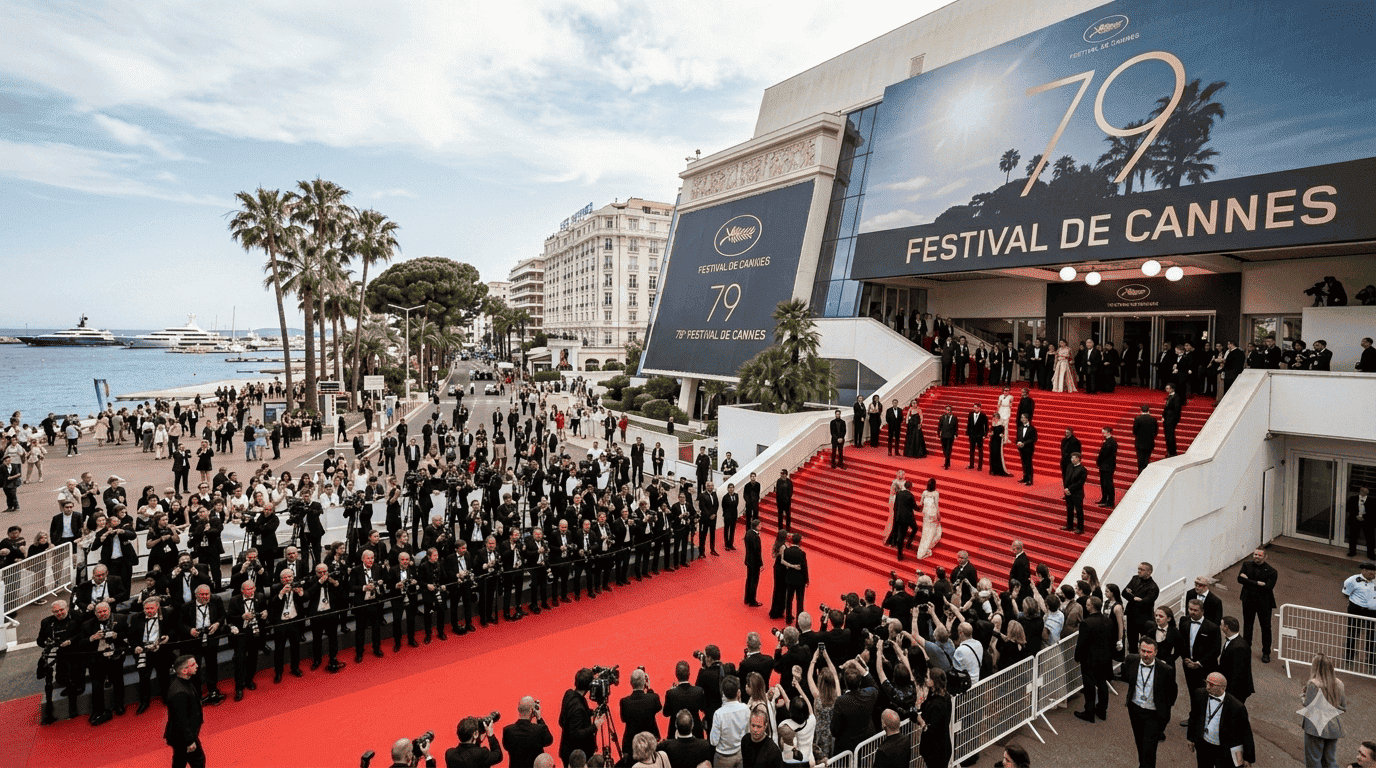
Researching the archives of French investigative reports (such as Le Monde, Brut, and Nice-Matin) reveals documented figures regarding the “prestige cost” of this carpet and its technical details. The red carpet covers 60 steps (the Palais des Festivals), with a total length of approximately 2 kilometers throughout the festival, and is changed three times daily.
Source: Brut France, in the report “4 Things to Know About the Cannes Carpet.” Estimated cost: There is no official figure for the final bill, but French press reports (such as Le Figaro) indicate that the cost of textiles, logistics related to the carpet, and the exterior decoration of the Palais are included in the “technical equipment” budget, which exceeds hundreds of thousands of euros annually.
Sustainability: Since 2021, the festival has announced a 50% reduction in carpet weight, saving 1,400 kg of material. It is now 100% recyclable for use in the automotive and construction sectors. Source: Official Sustainability Report, Festival de Cannes – RSE
The Dark Side of Wealth: Cannes’ Annual Inflation
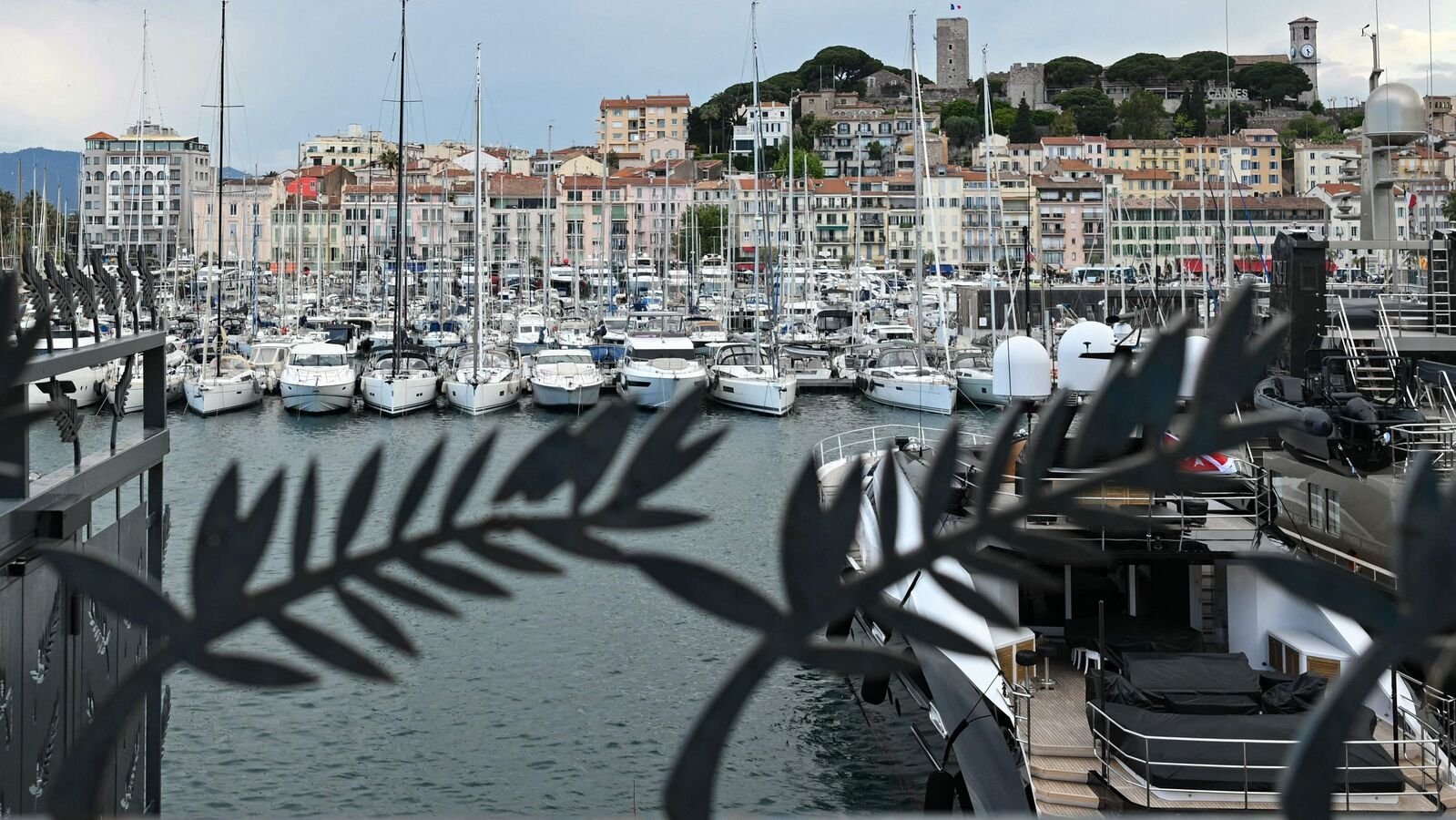
But this prosperity comes at a price. An investigation by the French newspaper Libération revealed the astronomical price hikes in the city during May. Hotels that charge €150 a night in winter suddenly jump to €1,500 and above during the two weeks of the festival. Even a simple sandwich on the backstreets triples in price.
Cannes reaps enormous profits from tourist taxes and public space fees, but at the same time, local residents suffer from the city’s “closed-off” status and its transformation into a haven for the wealthy. Nevertheless, the festival remains a vital lifeline for the local economy, providing more than 3,000 direct and indirect temporary jobs annually.
Ultimately, year after year, the Cannes Film Festival proves to be more than just a platform for glamorous films. It is a uniquely French model of how culture can be leveraged for economic dominance. Between the “gift boutique” that sells small dreams, and the “film market” that sells billions, Cannes remains the place where art meets pockets, and where cinema becomes the most valuable currency in the world.