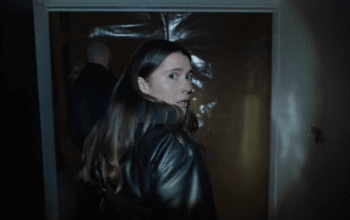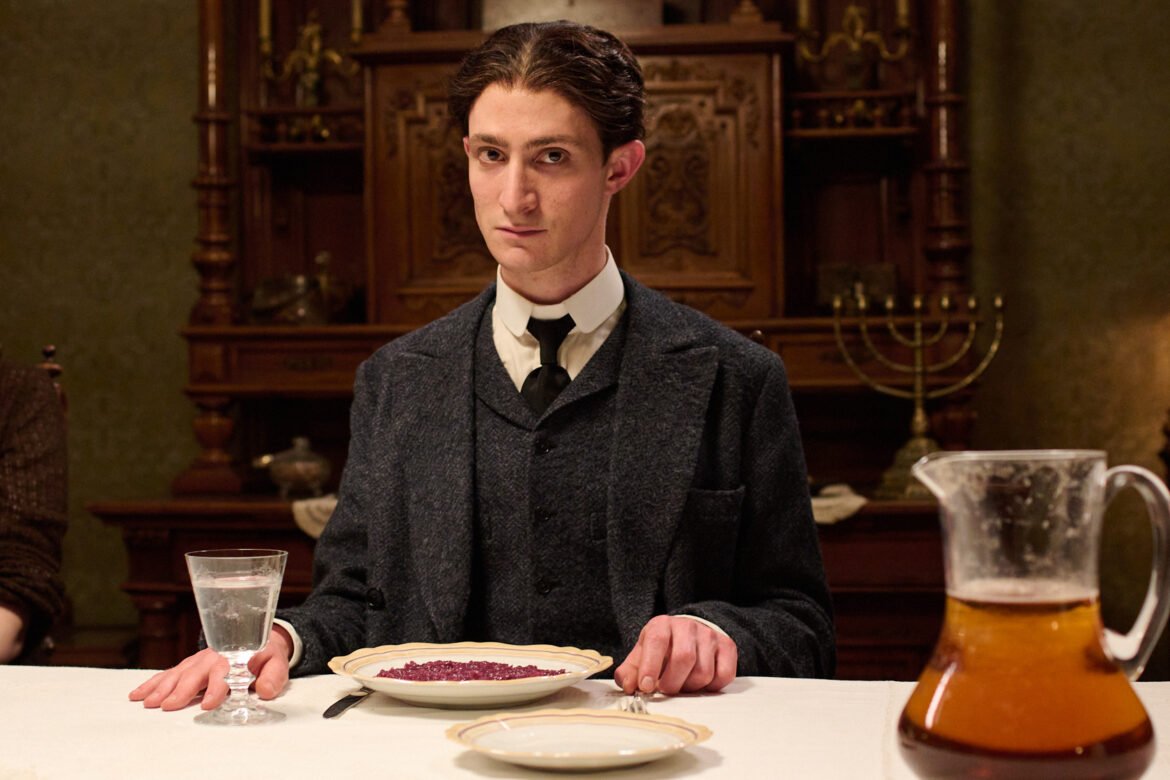
In her latest cinematic endeavor, acclaimed director Agnieszka Holland has unveiled Franz, a stylized and inventive biographical portrait that seeks to decode the complexities of Franz Kafka. Rather than adhering to the rigid structures of a traditional historical drama, Holland opts for a more fluid and imaginative approach, attempting to capture the spirit of the man whose name became synonymous with the surreal and the bureaucratic.
The film serves as a deep investigation into the life of the Prague-born author, whose influence on 20th-century literature remains unparalleled. Through a series of vignettes, Holland explores the tension between Kafka’s mundane professional life and the vivid, often terrifying landscapes of his imagination.
A Non-Linear Portrait of Genius
Holland’s direction moves away from a chronological narrative, instead focusing on the emotional and psychological states that defined Kafka’s existence. The film portrays his strained relationships, his battles with physical illness, and his legendary self-doubt. By blending realistic depictions of early 20th-century Europe with dreamlike sequences that mirror Kafka’s own prose, the director creates a visual language that feels appropriately “Kafkaesque.”
The narrative emphasizes the paradox of the writer: a man who sought to have his work destroyed upon his death, yet became a global icon of the modern condition. The film investigates his domestic struggles and his complicated romantic entanglements, presenting him not just as a literary giant, but as a deeply sensitive individual navigating a world he often found incomprehensible.
The Legacy of the Enigma
By focusing on the “enigma” of the author, Franz avoids giving easy answers about Kafka’s motivations. Instead, it invites the audience to experience the absurdity and the profound isolation that flavored his most famous works, such as The Metamorphosis and The Trial. The production design and cinematography work in tandem to highlight the claustrophobia of his environments, contrasting them with the boundless reach of his creative output.
Critics have noted that Holland’s playful yet respectful treatment of the subject matter allows for a more humanized version of Kafka to emerge. By the end of the film, the audience is left with a deeper appreciation for the man behind the myth—a writer whose personal anxieties and unique perspective forever altered the trajectory of modern storytelling.