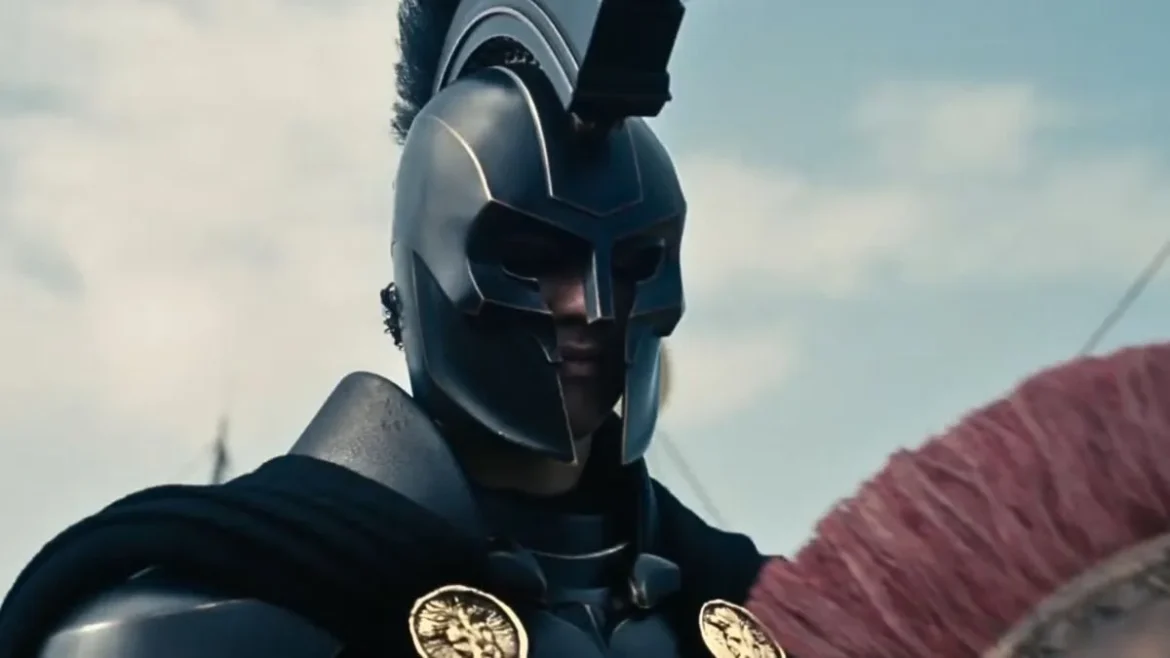
With only sixteen days left before the highly anticipated release of Christopher Nolan’s “The Odyssey,” intense critical debates are sweeping the cinematic landscape. Concerns are mounting among cinephiles and industry insiders alike regarding both the artistic value and the commercial viability of this upcoming epic, fueled by underwhelming promotional materials released so far.
These apprehensions are driven by rigorous critical analyses suggesting that the British filmmaker is experiencing a prolonged creative crisis. This decline reportedly began with his previous film “Oppenheimer,” which many specialists and critics viewed as a creative misstep where Nolan lost his signature cinematic compass—a direction that previously delivered masterpieces like “The Dark Knight” trilogy, “Interstellar,” and the mind-bending sci-fi marvel “Inception.”
The Dilemma of Artistic Vision and a Stagnant Narrative Approach
“The Odyssey” is a classic Greek epic attributed to the poet Homer from twenty-eight centuries ago. It chronicles the legendary and perilous homecoming of the Greek hero Odysseus to Ithaca following the fall of Troy. Given that this tale has already been adapted into hundreds of films, television series, plays, and operas, the true artistic stake for Nolan lay in presenting a distinctive perspective or a fresh dramatic vision. This, however, has been entirely absent from the marketing campaigns.
An analysis of the trailers, extended theatrical previews, leaked images, and press releases points to an unprecedented lack of visual and narrative identity. The promotional footage functions merely as a showcase of Hollywood stars in elegant historical costumes. It lacks a defining tone—failing to offer the grand scale of historical epics like “Troy” or “Exodus,” the deep human resonance of “Gladiator” or “Kingdom of Heaven,” or even the visual fantasy of “The Lord of the Rings.”
The Practical Effects Obsession and Technical Backlash
The film faces heavy criticism regarding its technical execution, particularly in its depiction of mythological creatures like the Cyclops, which appears to rely on outdated visual techniques. This is a direct consequence of Nolan’s stubborn insistence on minimizing computer-generated imagery (CGI) in favor of practical effects.
While this practical philosophy yielded spectacular results in the past—such as the real Boeing crash in “TENET”—it was also responsible for the underwhelming depiction of the Trinity test in “Oppenheimer.” This pattern seems to repeat in “The Odyssey” with the design of the Trojan Horse, which lacks historical majesty and appears notably inferior to the iconic horse designed for the movie “Troy” twenty-two years ago.
Commercial Obstacles and the Box Office Battle with Spider-Man
On the commercial front, box office projections suggest the film will struggle to cross the $500 million mark worldwide due to several pivotal factors:
-
No Shared Marketing Phenomena: The cultural phenomenon of “Barbenheimer,” which significantly boosted “Oppenheimer” alongside “Barbie,” will not be repeated here.
-
Fierce Competition: The film is set for a direct box office clash with “Spider-Man: Brand New Day” at the end of the month. Blockbuster audiences will likely favor Marvel’s visual spectacle if Nolan’s epic fails to offer a superior cinematic experience.
-
Clashing with Modern Reality: Nolan’s rigid stance against digital effects, streaming platforms, and artificial intelligence puts him at a difficult crossroads with contemporary industry standards, potentially steering his latest venture toward a major critical and commercial disappointment.