As Egypt’s annual feature film output slumps to a two-decade low of just 22 titles this year, local industry figures gathered at the 4th Hurghada Youth Film Festival to grapple with a pressing existential question: is Egyptian independent cinema dying?
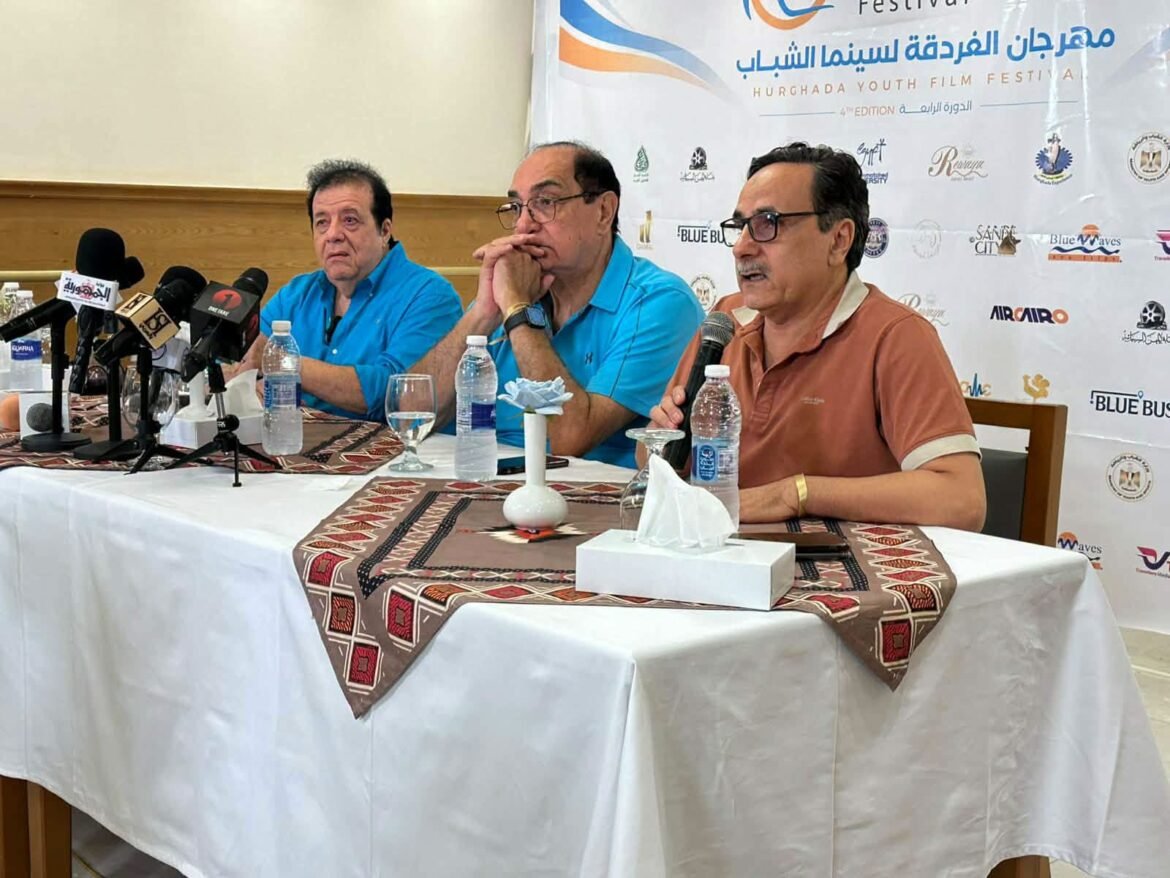
During a panel titled “Challenges of Independent Film Production”—moderated by film critic Sayed Mahmoud and featuring producer Atef Abdel Latif, veteran director Magdy Ahmed Ali, and festival president Mohamed El-Basoosi—panelists examined the systemic pressures choking the country’s non-commercial film ecosystem.
Primary among these issues is a severe distribution bottleneck. Abdel Latif noted that the systematic shuttering and demolition of traditional single-screen neighborhood theaters in favor of commercial mall multiplexes has effectively excluded indie features from commercial theatrical runs. While indie projects occasionally gain traction on the international festival circuit, domestic theater operators overwhelmingly prioritize bankable commercial blockbusters, leaving smaller titles without a viable path to reach local audiences.
The financial barrier to entry has also escalated sharply. Khaled Abdel Jaleel of the Academy of Arts observed that the minimum baseline budget for a feature film in Egypt now hovers around $1 million. This cost ballooning renders direct state subsidies largely insufficient and squeezes out smaller private investors willing to take artistic risks.
Furthermore, the panel challenged the industry myth that the digital revolution democratized indie cinema. Ahmed Ali emphasized that the rapid evolution of high-end camera technology, lighting gear, and digital post-production workflows has ironically made modern digital shoots more expensive than classic celluloid. He also criticized scriptwriting workshops that churn out derivative content, as well as predatory buyout practices that strip creators of backend rights, advocating instead for time-limited distribution licenses to preserve intellectual property.
To counter the crisis, industry leaders proposed alternative exhibition channels, including leveraging Egypt’s extensive network of nearly 400 government-run cultural centers to showcase indie works, alongside strategic digital streaming partnerships. The session concluded with a call for visionary producers capable of navigating market realities while safeguarding the nation’s rich cultural legacy.