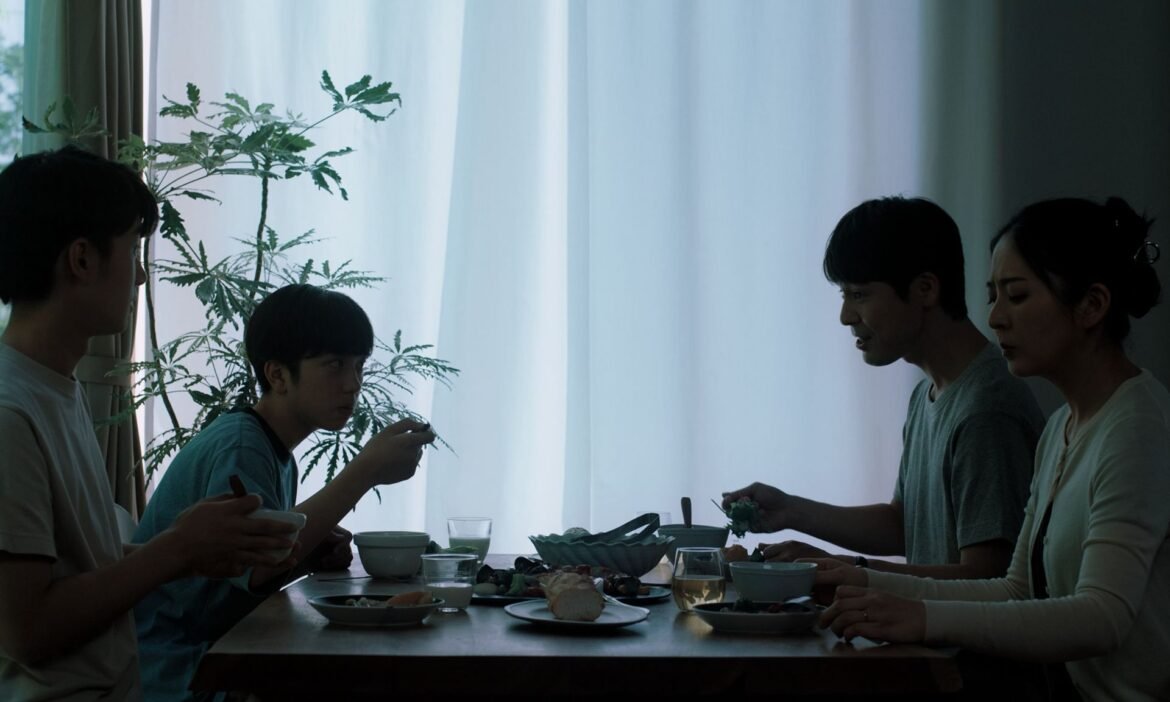
In an era where contemporary cinema often leans heavily on rapid pacing and bombastic narrative turns, director Yaza Takenoshin’s debut feature, Hinotama: Ball of Fire, stands out as a masterclass in quiet control and emotional patience. Crafted with a painterly eye and a profound empathy for its characters, the film turns a seemingly simple domestic chronicle into a deeply affecting study of grief, unspoken familial obligation, and the quiet cataclysms that take place behind closed doors.
A Symphony of Domestic Tension
The narrative centers on a fractured household navigating the aftermath of a quiet loss that has left a lingering, unseen weight over their daily routine. Rather than relying on overt expository dialogue to explain the family’s internal fractures, Takenoshin relies heavily on subtext and environmental storytelling.
The script allows conversations to drift in and out of trivialities—a shared meal, the repair of a sliding door, routine household chores—while the true emotional gravity remains buried just beneath the surface.
This atmospheric restraint generates a subtle, lingering friction.
The “fire” referenced in the title does not manifest as explosive confrontation, but rather as an internal ember—a slow-burning resentment and love that threatens to consume the protagonists from within. The film’s structural trajectory avoids dramatic contrivances, choosing instead a naturalistic rhythm that mirrors the agonizingly slow process of emotional healing.
Cinematic Craftsmanship and Visual Composition
Visually, Hinotama is nothing short of breathtaking. Collaborating with a gifted cinematographer, Takenoshin elevates ordinary domestic spaces into tableaux of intricate light and shadow. The camera favors static, long-take compositions framed through doorways, corridors, and translucent screens, effectively turning the family home into both a sanctuary and a claustrophobic cage.
- Color Palette & Lighting: The film utilizes a muted, naturalistic color palette dominated by warm ambers, deep woods, and soft twilight blues. Sunlight filtering through dust motes in the afternoon, or the harsh solitary glow of a kitchen lamp at midnight, serves as a visual metaphor for the characters’ isolation and internal longings.
- Spatial Framing: Characters are often placed on opposite ends of the frame or partially obscured by architectural elements, visually reinforcing the emotional chasm separating them even when they share the same room.
The sound design is equally meticulous. By paring back non-diegetic musical score to only a few sparse piano chords at key transitions, the film forces the audience to tune into the auditory texture of the house itself: the creak of wooden floorboards, the hum of distant cicadas, and the heavy, pregnant pauses in conversation.
Grounded and Nuanced Performances
A directorial vision this observational requires absolute authenticity from its cast, and Takenoshin delivers exceptional performances across the board. The ensemble avoids the traps of histrionic melodrama, delivering instead understated, layered portrayals:
- The Matriarch: Played with stoic grace, her quiet glances and rigid posture convey years of suppressed sacrifice and unspoken grief.
- The Estranged Son: Serving as the narrative catalyst, his return home brings a volatile mix of guilt and desire for reconciliation, expressed mostly through hesitant body language and guarded speech.
- The Supporting Ensemble: Family members and neighbors are integrated seamlessly, providing texture to the broader community without distracting from the central family dynamic.
Final Verdict
While purists of traditional plot-driven cinema might find the film’s leisurely, contemplative pacing challenging in its middle act, these brief lulls are a small price to pay for such immersive world-building. Takenoshin demonstrates a maturity rare for a debut director, possessing the confidence to let silence speak louder than words.
Hinotama: Ball of Fire is a hauntingly beautiful, emotionally searing achievement. It announces Yaza Takenoshin not merely as a promising talent, but as an accomplished auteur with a distinct aesthetic voice and a precise command of the cinematic medium.