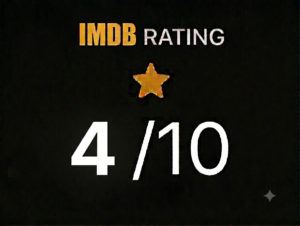
With the explosive surge of the Girls’ Love (GL) subgenre over the past three years, once-modest indie productions have transformed into a powerhouse marketing engine catering to a global fandom. Yet in the rush for quick commercial wins, many studios now rely almost entirely on fan purchasing power and the sheer allure of their leads’ “face cards”—substituting visual clout for cohesive scripting and directorial vision.
Enter Enemies with Benefits, a project wrapped in relentless promotional hype. Promised as a sleek contemporary workplace drama blending corporate rivalry with a high-stakes “enemies to lovers” dynamic, the 10-episode series ultimately reveals a cavernous gulf between its glossy marketing and the actual product on screen.
Upon closer inspection, the show glides effortlessly onto the shelf of overhyped misfires. Its paper-thin narrative structure and technical shortcuts are masked only by social-media-driven fan zeal—demanding a proper autopsy of where this glossy vehicle veers off course.

The Title Deception
The series’ primary flaw lies in how swiftly and unceremoniously it abandons its core premise—the very hook that anchored its marketing campaign. Promoted as a tense, cutthroat corporate rivalry between leads Lal and Win within an ad agency, the script reduces this professional friction to a fleeting, superficial boardroom spat in Episode 1. Without proper narrative build-up, the conflict instantly evaporates into a lukewarm, overly cozy dynamic.
This premature resolution guts the show’s primary narrative engine: dramatic tension. The script forfeits the compelling contrast between professional hostility and personal attraction. By defanging the “enemies” component almost immediately, the narrative loses its pulse, turning the second half into an interminable sequence of generic romantic beats devoid of internal conflict or genuine stakes.

Structural Breakdown
The narrative suffers a jarring tonal identity crisis midway through, exposing the lack of a cohesive roadmap from the writers’ room. Episodes 7 through 9 abruptly pivot from light workplace rom-com to heavy-handed psychological melodrama. The shoehorning of Korn and her tragic backstory with Win feels like a recycled plot device to buy time—stretching a conflict across three episodes that could have easily been resolved in one.
More egregiously, the script strips its lead of character agency. The heavy-handed handling of Win’s past trauma reduces her from the fiercely capable, independent executive introduced in early episodes to a helpless victim waiting for Lal to rescue her. It is a lazy storytelling trope that flattens a dynamic pairing into cliché, undercutting the balanced power dynamic essential to modern romantic drama.



Prioritizing Fan Service Over Substance
Rather than letting character development drive the narrative, the production leans heavily on cheap fan-service tricks—flooding the runtime with intimate scenes designed for viral social media clips rather than dramatic impact. This focus on empty packaging comes at the expense of side plots that genuinely deserved room to breathe, most notably the secondary couple, Tangkwa and Proud.
Despite noticeable screen presence from both actresses, their arc is underserved. Their relationship is reduced to repetitive physical intimacy without giving audiences any meaningful background, motivation, or psychological depth, turning them into mere visual dressing. Meanwhile, supporting talent like Jamie and Midnight are wasted in throwaway comedic relief, left stranded in the background without affecting the central plot.

Technical Misfires

Behind the camera, the direction and editing fail to match the show’s presumed budget, stumbling into noticeable visual blunders:
- Color Grading Discordance: The visual palette fluctuates wildly. In several lighthearted or romantic scenes, the direction relies on a moody, cold-blue gradient typically reserved for crime thrillers or psychological drama. This clash between comedic content and somber visuals creates an unsettling visual disconnect.
- Framing and Blocking Errors: The final stretch suffers from baffling choices in camera angles and staging. Crucial emotional beats meant to capture intimate facial expressions are routinely obstructed by bulky set furniture—a clear sign of rushed shooting schedules and a lack of precise visual vision.

Breakdown by Category
- Script & Plot (5.5/10): Abandons its central premise far too early, defaulting to lazy shortcuts and agonizing padding during the Korn arc.
- Performances (7.5/10): Leads Lal and Win exhibit palpable chemistry and solid effort, though handcuffed by clunky dialogue and thin characterization.
- Direction & Cinematography (6.0/10): Marred by awkward framing in key intimate scenes and an erratic, ill-fitted color grade.
- Pacing & Editing (5.0/10): Violent tonal shifts between light corporate comedy and heavy melodrama create a disjointed viewing experience.
- Marketing & Hype (9.5/10): A masterclass in fan engagement and promotional smoke-and-mirrors, successfully masking artistic shortcomings.

Enemies with Benefits stands as a textbook product conceived in marketing strategy sessions rather than crafted in a writers’ room. It undoubtedly succeeded on a commercial level, driving trending topics and pulling massive view counts on the backs of its attractive leads and a starved demographic. Yet judged purely as a work of television craft, it crumbles under modest scrutiny.
It falls victim to its own over-inflated hype, trading narrative coherence, psychological depth, and visual polish for short-term viral engagement. While it remains a breezy, low-stakes watch for casual viewers seeking unchallenging eye candy, it serves as a cautionary tale for the industry: sleek packaging can jumpstart a premiere, but only storytelling builds longevity.