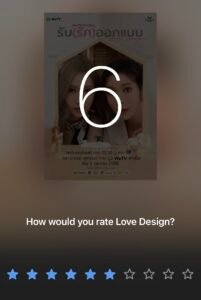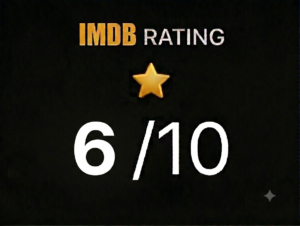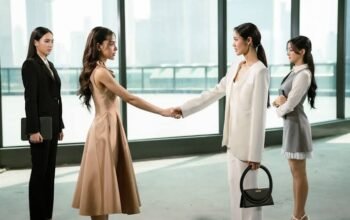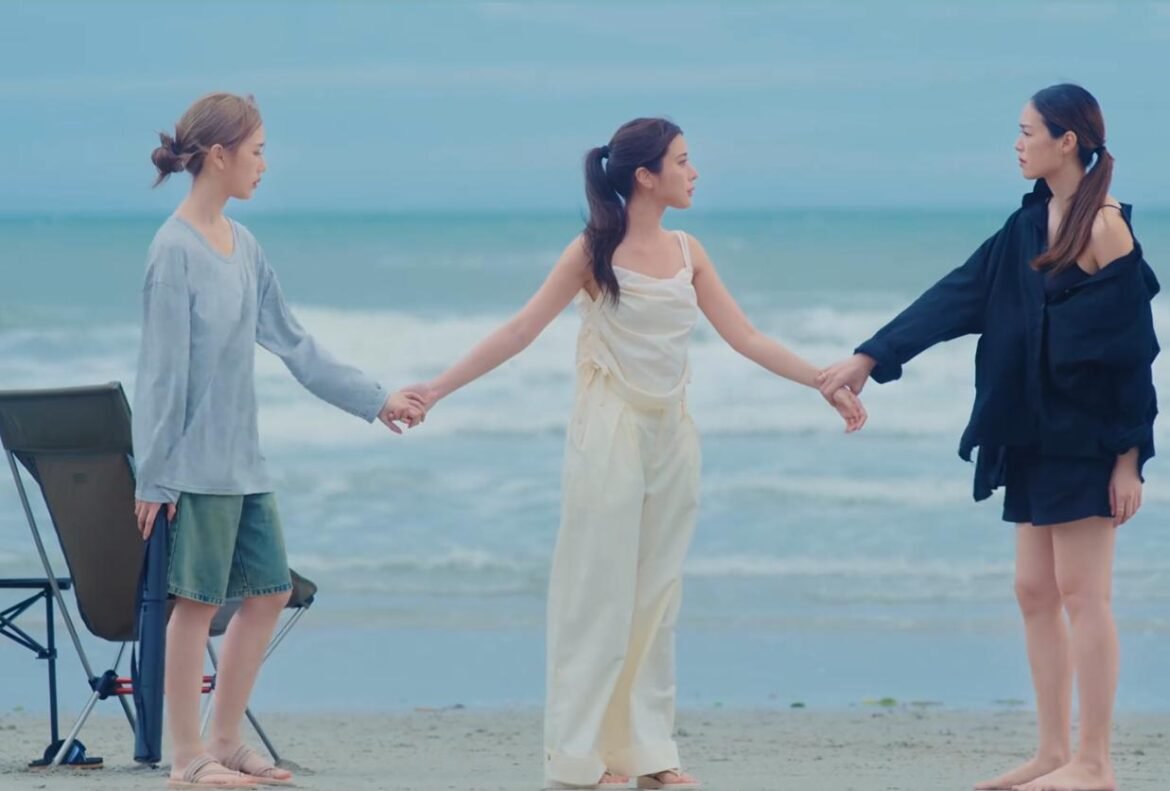
If you have a soft spot for the commercialized cheer of holiday movies, this series is custom-built for you. While not a Christmas show per se, “Love Design” radiates that same infectious, feel-good energy that floods your senses with optimism through its sheer charm and wit. Set against a rom-com backdrop, the narrative centers on Aokbab, an ambitious architect returning from Japan to resurrect her family’s struggling firm. To save the company, she seeks to recruit Rin, a fiercely independent freelance architect who consistently shuns traditional corporate gigs. Following initial clashes, Rin agrees to come aboard, sparking a playful professional rivalry that gradually morphs into undeniable romantic attraction. The plot thickens with the arrival of Mind, Aokbab’s first love from a decade prior, who now stands as their biggest industry rival, putting both their partnership and their blossoming romance to the ultimate test bridging past and present.

Architectural Design and Narrative Scaffolding
The show’s most potent asset is its ability to craft a visual language that leverages architectural design as a running metaphor for the characters’ internal struggles. Production design here is never merely a backdrop; it intrinsically intertwines with the narrative beats. The professional friction between Aokbab and Rin pits functional artistry and emotionally driven design against commercial viability and market adaptation. This dynamic perfectly mirrors the gradual evolution of Rin’s emotional state from guarded rejection to constructive integration.
Meanwhile, Mind’s introduction as the embodiment of the past skyrockets the dramatic tension. She isn’t just a cog in a conventional love triangle; she forces genuine inquiries into second chances and the viability of building a future on the ruins of incomplete relationships. This savvy handling of a three-way conflict grants the script a depth that steers it clear of the emotional superficiality often found in similar genre fare.

Pacing and Dramatic Structure
Pacing-wise, the series flows with a deliberate, composed rhythm, refusing to rely on cheap shock value or illogical twists just to manufacture thrills. This approach cements the show as an easy-viewing experience where plotlines are given the breathing room to organically mature. Still, the script falters slightly in the mid-season episodes, suffering from a sluggish escalation of the professional conflict as repetitive scenes showcasing design minutiae stall the central narrative momentum.

Visuals and Camera Direction
On the visual front, the production values are stellar and warrant high praise. The lighting is meticulously calibrated to reflect the story’s shifting moods. Warm hues and natural lighting dominate the intimate indoor scenes where the partners collaborate, fostering a sense of cozy containment. Conversely, the camera pivots to stark, cooler palettes and high contrasts during confrontations with the past or tense boardroom meetings. The helmer’s use of wide angles to capture architectural spaces imparts a sense of grandeur, while smoothly transitioning into hyper-realistic close-ups during tender moments. This technique allows the thespians to convey volumes through micro-expressions without resorting to melodramatic overacting or theatrical vocal delivery.

The Hair Color Metaphor
In a highly inventive directorial swing, Rin’s fluctuating hair color—shifting between blonde and brunette—serves as a striking visual motif that has sparked widespread chatter among viewers. The director deliberately ditches standard title cards or obvious time jumps, relying instead on Rin’s aesthetic evolution to navigate interwoven timelines and map her psychological state. The blonde era operates as a nod to a specific timeline defined by rebellion, self-discovery, and emotional autonomy, whereas the darker shades represent periods laden with professional pressure and relational turbulence.
This constant external reinvention also underscores her identity as a designer who despises stagnation, perfectly aligning with her anti-establishment stance on institutionalized love. Ultimately, the return to blonde in the finale signals a homecoming to her core self—a reconciliation where she reclaims her independence on her own terms. This audacious visual trickery adds a layer of narrative complexity, prompting audiences to actively decode the timeline and analyze the character’s headspace in real time.

Performances and On-Screen Chemistry
Performance-wise, the dual leads deliver a grounded and highly balanced onscreen dynamic, showcasing a profound grasp of their characters’ psychological blueprints. Aokbab, the narrative engine burdened by familial and corporate duty, delivers a nuanced blend of executive authority and internal emotional fragility. Rin counters this with a grounded, autonomous calm, establishing a visual and psychological equilibrium in their shared scenes. However, while the central romance is built on a slow-burn foundation of mutual respect, the flashback sequences between Aokbab and her ex, Mind, carry a significantly denser emotional payload. This disparity makes the historical romance occasionally feel more compelling and dramatically complex than the present-day narrative—a double-edged sword that justifies the protagonist’s lingering confusion but risks eclipsing the primary couple’s impact.
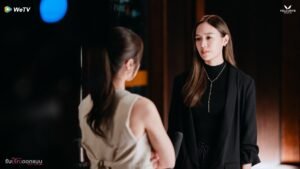
Between the Obsession with Return and the Tragedy of Letting Go
As the central romance blossoms, the third party is left drowning in the heartbreak of forced obsolescence. Mind’s character demands a deeper critical autopsy; she is far more than a narrative roadblock. She represents the series’ most electrifying and agonizing emotional tragedy, evoking profound viewer empathy.
Her tragedy is entirely tethered to timing. Their past breakup wasn’t born of emotional drought, but rather crippling familial pressure from a demanding father, driving her to betray her partner’s designs and subsequently build an impenetrable facade of corporate ruthlessness.
Returning a decade later as the CEO of Mind Space, she carries a captivating dichotomy of outward arrogance and internal devastation, clinging to the delusion of an unofficial break. The true heartbreak crystallizes when viewers realize her aggressive architectural rivalry is merely a desperate, silent plea to reclaim a stolen love. The script elegantly avoids reducing her to a vanquished villain, instead gifting her a poignant arc that culminates in the agonizing realization that letting go is her sole path to redemption.

Four Critical Missteps
Despite its triumphs, the series is marred by four glaring missteps that significantly dent its critical standing.
First, the absence of an original sonic identity; the show heavily recycles a ubiquitous instrumental track (“Affectionate Love”) for every kissing scene—a cue already exhausted by two other shows in the same genre—rather than composing a bespoke score.
Second, a heavy-handed directorial choice results in an artificially prolonged kissing sequence following the episode nine proposal, which feels like a transparent attempt to compensate for the glaring lack of physical intimacy in prior episodes.
Third, the sidelined subplot involving assistants Vee and Tirtis felt like a missed opportunity. While their secret cross-company romance served as a brilliant humanizing mirror to the ruthless corporate rivalry between Mind Space and Jinta Architect, it was woefully underutilized and rushed through bite-sized scenes. Dedicating the entire tenth episode to their backstory was a charming gesture, but weaving their narrative organically throughout the season would have packed a stronger punch.
Furthermore, having them recreate Aokbab and Rin’s romantic milestones was a lazy writing choice that stripped their love story of its unique identity. Finally, the reliance on flimsy soap-opera tropes—such as Aokbab losing the engagement ring—lacked narrative maturity. It failed to add any psychological depth, functioning purely as cheap filler that derailed the pacing.

Subverting the Happily-Ever-After
On a progressive note, “Love Design” pulls off a narrative coup by subverting the traditional happily-ever-after. In a bold departure from genre norms, Rin rejects the marriage proposal, sparking a philosophical debate on whether the institution of marriage serves a relationship or merely burdens it with archaic social baggage. Rin’s refusal is rooted in her vision of love as a daily, continuous choice fueled by mutual respect, rather than a state-sanctioned contract that demands assimilation.

This elevated feminist writing transitions the concept of a happy ending from ceremonial pageantry to sustained, autonomous partnership, proving that love is an evolving journey rather than a closed curtain.

The Absence of Physical Intimacy
In a romance genre built on visual desire, the conspicuous absence of overt physical intimacy is a polarizing gamble. The series trades carnal passion for a narrative of productivity and healing, establishing a sanitized dynamic that safely broadens its demographic appeal. While this choice attempts to paint a mature portrait of career-driven women whose intimacy is forged in professional solidarity rather than physical touch, it occasionally tips into sterile abstraction. By stripping the characters of their primal emotional drives, the show creates a mechanical distance between the leads, making their present-day bond feel more like an airtight corporate merger than a fiery romance.



The Final Verdict
Ultimately, “Love Design” signals a sophisticated evolution in the GL genre, marrying slick production aesthetics with profound emotional archaeology. It successfully balances the visual elegance of the architectural world with the messy realities of human connection and past traumas, proving that romantic drama resonates deepest when built on a foundation of exceptional craftsmanship.