Between Slow-Burn Romance and a Rushed Finale: The Pacing Dilemma in “Four Elements: The Water”
The second installment of the hit Thai franchise Four Elements, titled The Water, captured the lion’s share of commercial success and media spotlight among the four GL series released in 2026.
This dominance rests on two key pillars. First, the leads: Engfa Waraha and Charlotte Austin arrived with four successful collaborations under their belts, yielding a formidable reservoir of screen chemistry.
This pre-existing synergy allowed viewers to invest emotionally early on, glossing over initial structural gaps. Second, the groundwork laid by the preceding installment, The Earth, established a warm, romantic baseline that primed audiences for The Water just two months later.
Translating the popular “EngLot” pairing into the cutthroat arena of corporate politics, the series adapts Salmon’s novel The Water: Waves of Deception. Waraha plays Apo, a ruthless hotel executive, opposite Austin’s Chonlada, supported by a sharp ensemble.

Script Architecture and Character Dynamics
The narrative centers on the rivalry between the Watin and Watchara corporations’a power struggle encompassing both commercial dominance and personal identity.
- Water Metaphor: The titular element serves as an effective motif for fluidity and cool surface composure hiding turbulent depths.
- Pacing: The first half delivers a balanced slow-burn buildup, carefully layering the psychological profiles of Apo and Lada. However, the second half accelerates prematurely, cramming major resolutions into a narrow window and shortchanging essential character beats.
The script’s primary misstep lies in breaking Apo’s formidable defenses without adequate narrative justification.
A hyper-disciplined, workaholic hotel director who guards her emotions fiercely, Apo falls for a outsider whose sole distinguishing trait is her sheer nerve. While bold defiance alone hardly justifies shattering the defenses of a stubborn executive, audiences—fueled by star power—accepted the underwritten setup.

Performance and Visual Craft
The leads opt for restraint over melodramatic excess, balancing corporate tension with naturalistic comedic beats.
- Charlotte Austin (Lada): Austin excels in internal conflict, conveying the tension between familial obligation and personal desire through micro-expressions and physical stillness.
- Engfa Waraha (Apo): Delivering one of her most mature turns to date, Waraha steps away from soft-focus romance to anchor the series with a sharp, low-register command and crisp physical discipline.
- Chemistry: The joint performance relies heavily on unspoken yearning, eye contact, and spatial tension during board meetings and private encounters.
Directorially, the show leverages high production values. The palette leans into moody blues, browns, and whites framed against open water, while wide angles in towering glass offices contrast with tight close-ups during intimate confrontations.
The soundtrack—featuring OST tracks “Is This Love” and “Lucky Me” alongside fluid instrumental cues—effectively heightens the corporate espionage atmosphere.
A Cluttered Finale
The finale attempts to pack a full season’s worth of resolution into a single hour. This sudden rush destabilizes the second half’s pacing, leaving a palpable deficit of emotional intimacy unusual for the genre.
Compounding the issue is an insistence on a tidy, idealistic resolution. The writer rushes to resolve systemic conflict and hand out unearned happy endings. The narrative would have been far better served had Lada simply departed to start anew, rather than forcing an unconvincing reconciliation with her toxic family. A dose of realism would have landed with far more impact than a saccharine ending detached from actual Thai social dynamics.

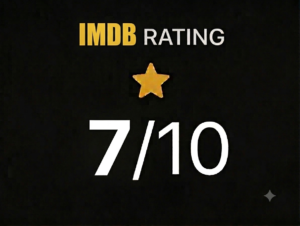
Ultimately, Four Elements: The Water stands as a polished, production-forward entry that elevates the genre through sharp performances and slick visual craft, even if its final act stumbles under the weight of its own ambition.