If there were an award for screen-bound lethargy, Like a Palette: All Eyes on Jane would sweep every category. Adapted from the web novel by Zezeho, this short-form series stands as a textbook example of quick-buck commercialism—a rushed cash-in on the exploding popularity of the Girls’ Love (GL) genre. What arrives on screen is a lifeless hybrid of paper-thin characterization, contrived setups, and mind-numbing boredom.

A Single, Exhausted Premise

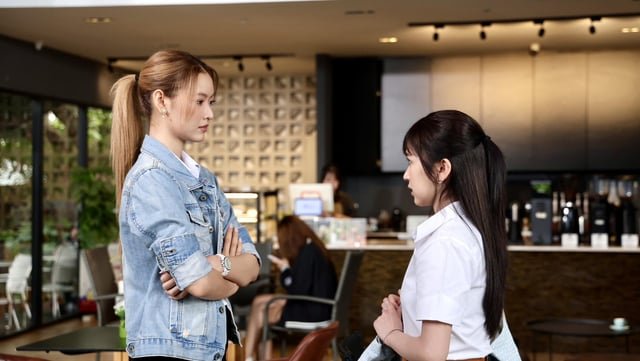
The narrative constructs its fragile foundation entirely around a single, endlessly recycled misunderstanding: freshman Jane (Thongfah Alicha) becomes inexplicably convinced—solely because she watches too many dramas—that the friendly overtures and smiles of student council president Dai (Prigkhing Sureeyares) are actually acts of deep-seated malice and deliberate harassment. A gag this flimsy barely holds enough fuel for a ten-minute sitcom subplot, yet the show painstakingly stretches it across six agonizing episodes. It is a transparent attempt to exploit classic enemies-to-lovers tropes via comic miscommunication, but without bestowing the characters with enough human dimension to render their logic convincing to anyone over the age of ten.
Botched Direction and Technical Missteps
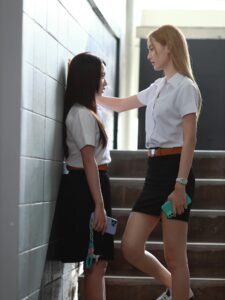
On a visual and craft level, the budgetary cutbacks from production house WonderLife Entertainment and director “Bomb” Asadajorn are glaringly exposed. The framing is riddled with bizarre, jarring camera angles that feel less like intentional stylistic choices and more like amateurish camera tests distracting from the scene—leaving one to wonder if the cinematographer was treating the shoot as an entry-level workshop.
Matters are compounded by an overbearing overuse of slapstick sound cues and cartoonish sound effects crammed into every gesture, a cheap ploy to manufacture forced laughs and cover for a script utterly devoid of genuine wit. The series further bogs down its eight-episode runtime with an overcrowded ensemble of half-baked side characters and extraneous subplots that open abruptly and collapse without logical payoff.
The production’s ultimate insult, however, comes in its reliance on generative AI. In an unintentionally ironic twist for a drama centered on a Fine Arts student, the production opted for free, AI-generated artwork rather than commissioning actual artists—a slap in the face to the visual arts in a project literally titled Like a Palette.

Visual Inauthenticity
The directorial absurdity reaches its peak in the complete abandonment of visual realism during intimate domestic beats. The leads routinely turn in for the night and wake up at dawn wearing full-glam television makeup—heavy mascara, vibrant lipstick, and pristine layers of foundation—looking more prepared for a red-carpet premiere than a night’s sleep.
This superficial insistence on maintaining a pristine model aesthetic at the expense of organic realism strips these private moments of warmth and vulnerability. Watching a character wake up with perfectly styled hair and evening-ready glam breaks any illusion of authenticity, reducing quiet, emotional beats to glorified cosmetic commercials.
An Absence of Emotional Heat
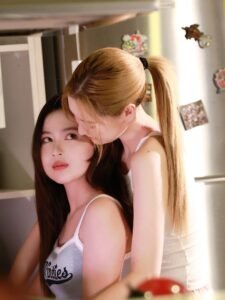
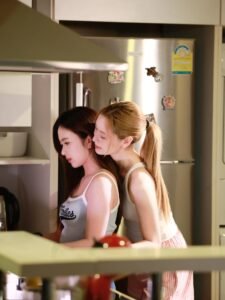
While central chemistry should be the engine driving any GL narrative, the show stumbles disastrously in generating any spark or physical connection. This emotional vacuum stems heavily from Thongfah’s wooden performance; her stiff, mechanical delivery leaves co-star Prigkhing hopelessly marooned, attempting to single-handedly inject life into scenes suffering from a terminal lack of energy.
The malaise becomes even more pronounced in moments of romantic affection. Instead of radiating passion or yearning, intimate beats read like choreographed chores performed by rote instruction rather than genuine feeling. Gazes remain vacant, body language stays cold, and even post-confession—when emotional dividends should pay off—the central pair reverts to the icy distance of an estranged couple. The physical affection in closed quarters lacks warmth or intimacy, rendering the romantic pay-offs embarrassing, sterile, and dull.
The Lone Bright Spot in a Botched Production
Amid the narrative rubble, the character of Jane’s mother emerges as the sole redeeming grace in an otherwise disjointed script, quietly stealing the spotlight as the show’s true emotional core. Representing a refreshing archetype of unconditional maternal acceptance, she stands firmly as a protective shield for her children, fiercely defending them against neighborhood gossip and school bullying.
Her character shines brightest in her empathetic embrace of her transgender son, extending steadfast psychological and social backing without a hint of hesitation or social shame. She provides the genuine warmth and human credibility otherwise absent from the series, offering a brief, poignant glimpse of protective family sanctuary.

Ultimately, Like a Palette functions as little more than a disposable, bare-minimum product designed for quick consumption. A tedious exercise in brand exploitation, it delivers washed-out visuals, zero romantic chemistry, and a derivative viewing experience that caters to surface-level genre tropes without offering an ounce of genuine artistic or narrative value.