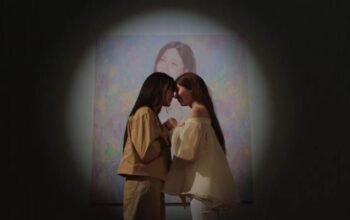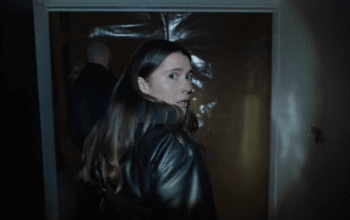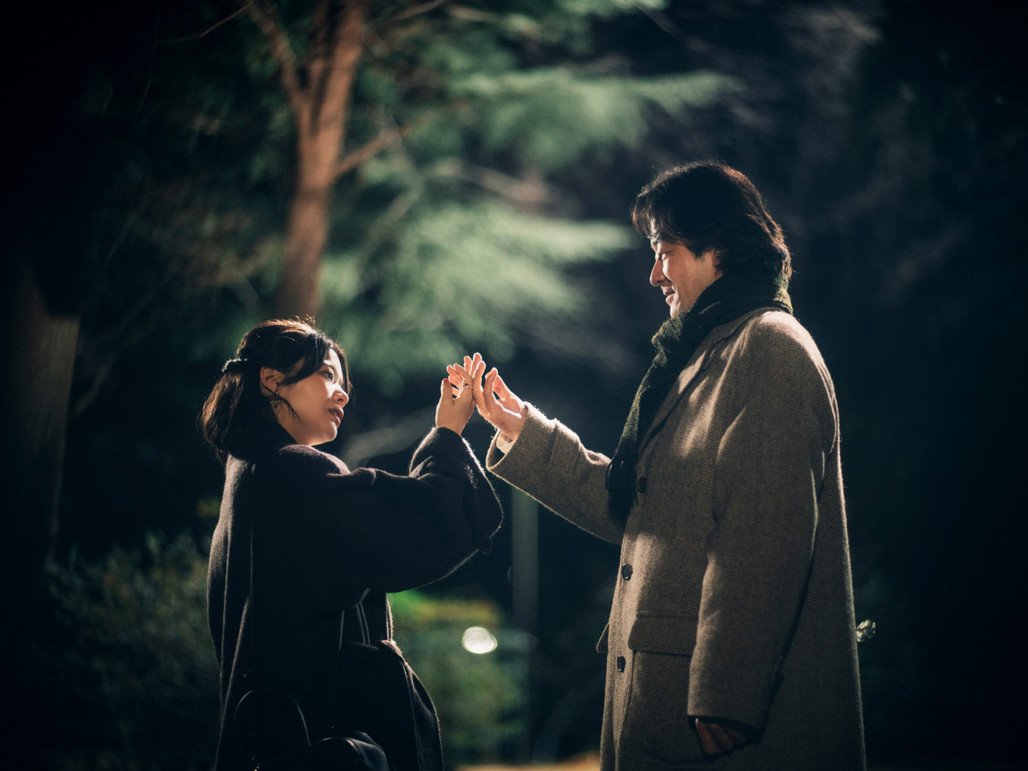
All the Lovers in the Night, Yukiko Sode’s latest cinematic endeavor, adapted from Mieko Kawakami’s acclaimed novel, delivers a quiet yet profound visual elegy on the chronic alienation nesting within contemporary metropolises.
Stripping away the conventional noise of urban dramas, the film constructs a meditative sensory experience that searches for an internal spark amidst vast expanses of human disconnection.
Narrative Architecture: Translating Interior Monologues into Kinetic Silence
The ultimate hurdle of this adaptation lay in the structural DNA of Kawakami’s prose, which inherently relies on the lengthy, internal dialogues of its protagonist, Fuyuko. The screenplay masterfully bypasses the pitfall of expositional chatter by transmuting pages of written thoughts into pure cinematic language, relying heavily on conscious stillness and subtle physical shifts.
The narrative pacing adopts a deliberate, slow-cinema cadence that perfectly mirrors Fuyuko’s routine existence as a freelance proofreader. Events unfold with a rhythmic monotony that mimics the seamless blurring of her unmemorable days, shifting only when her nocturnal wanderings lead her to an eccentric physics teacher, Mitsutsuga.
Rather than deploying romance as a generic, structural lifesaver, the plot positions their emotional entanglement as an inescapable mirror. This connection forces Fuyuko to confront her deep-seated anxieties and past traumas, offering a mature, grounded text that consciously avoids neat or idealized resolutions.
Visual Vocabulary: The Tactility of Sixteen-Millimeter Film and Lighting Philosophy
Sode’s directorial choice to shoot the entire feature on sixteen-millimeter film stands as one of the project’s most potent artistic strengths, seamlessly binding technical medium with psychological depth.
The inherent grain of the film stock injects a raw, tactile warmth into the frames, stripping Tokyo of its sterile, clinical digital sheen. Under this lens, the sprawling city breathes like a living entity alongside the protagonist.
The cinematography orchestrates a stunning visual dichotomy between light and shadow. The dim, low-light photography capturing back alleys, the elongated shadows stretching across Fuyuko’s cramped apartment, and the sudden piercing of neon signs through the gloom are not mere aesthetic choices. They function as a pixelated manifestation of her isolation and her clumsy, desperate attempts to find a warm, luminous space to anchor her existence.
Performances: Vulnerability Unmasked
The emotional weight of the feature rests securely on the shoulders of Yukino Kishii, who delivers a brilliant performance defined by utter emotional nakedness.
Kishii encapsulates the paralyzing weight of social anxiety without resorting to theatrical exaggeration. Her brilliance thrives in the minutiae: the slight tremor in her hand as she pours a drink, a defensive, shrinking body language that seems to apologize for taking up space, and a hesitant gaze that simultaneously craves visibility and fears it.
Opposite her, Tadanobu Asano sheds his familiar charismatic screen persona to portray the physics teacher with an organic, unforced eccentricity. His gentle, grounding screen presence creates a sincere, comforting chemistry that beautifully softens the coldness of the surrounding world.
Directorial Vision and Societal Undercurrents
Yukiko Sode proves to be a sharp clinical observer of modern desolation. The film operates as a quiet, intelligent critique of automated contemporary societies that herd individuals into rigid, isolating productive roles, such as remote freelancing, making genuine human contact a painful, uphill battle. Sode skillfully preserves the poetic tone of the piece without lapsing into bleak melodrama, maintaining a delicate equilibrium between the weight of alienation and a fragile hope for recovery.
Final Reflection and Synthesis
“All the Lovers in the Night” transcends the boundaries of a faithful literary adaptation to stand as a mature, independent piece of cinema. It is a work that unearths its beauty directly from human imperfection, operating masterfully within the spaces of silence to offer a captivating, contemplative experience that lingers long after the screen fades to black.