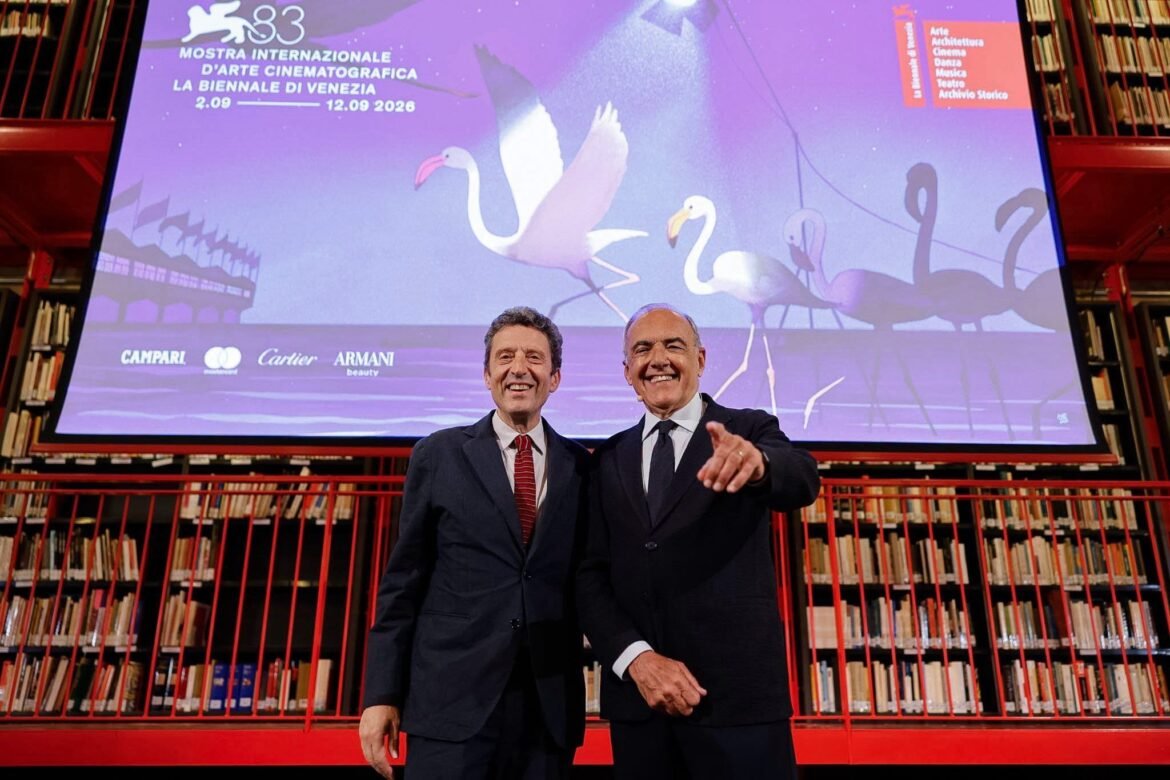
The Venice Film Festival has reversed its decision to cancel the traditional opening press conference for the main competition jury at its 83rd edition, walking back a move that sparked widespread confusion and debate across international film circles.
Festival organizers had previously notified members of the press that the marquee event—traditionally held ahead of the opening night screenings—would be removed from the official schedule, citing scheduling conflicts without offering further clarification. The abrupt decision drew immediate scrutiny, given that the opening press conference serves as the jury’s first official public appearance before accredited international journalists.
According to Deadline, festival leadership reconsidered the cancellation after resolving the underlying scheduling logistical issues, officially restoring the conference to the program. The quick reversal effectively resolves hours of uncertainty leading up to the festival’s launch, though organizers refrained from providing additional context regarding the initial disruption.
The scheduling turnaround comes against a tense political backdrop surrounding this year’s festival. Continued hostilities in Gaza have fueled growing calls from the international filmmaking community for cultural institutions to address the ongoing humanitarian crisis. Prior to the festival, the activist group Venice 4 Palestine published an open letter signed by more than 200 film industry figures, urging festival organizers to adopt a clearer stance on the conflict.
The main competition jury for the 83rd edition is chaired by American actor-director Maggie Gyllenhaal. Joining her on the panel are Tunisian filmmaker Kaouther Ben Hania, composer Daniel Blumberg, film scholar Francesco Casetti, French director Xavier Giannoli, Afghan filmmaker Shahrbanoo Sadat, and Hong Kong auteur Johnnie To.
With the press conference back on the docket, the session is expected to draw heavy media coverage. Journalists are anticipated to press jury members not only on cinematic trends and artistic criteria, but also on the pressing geopolitical issues casting a shadow over this year’s festival.