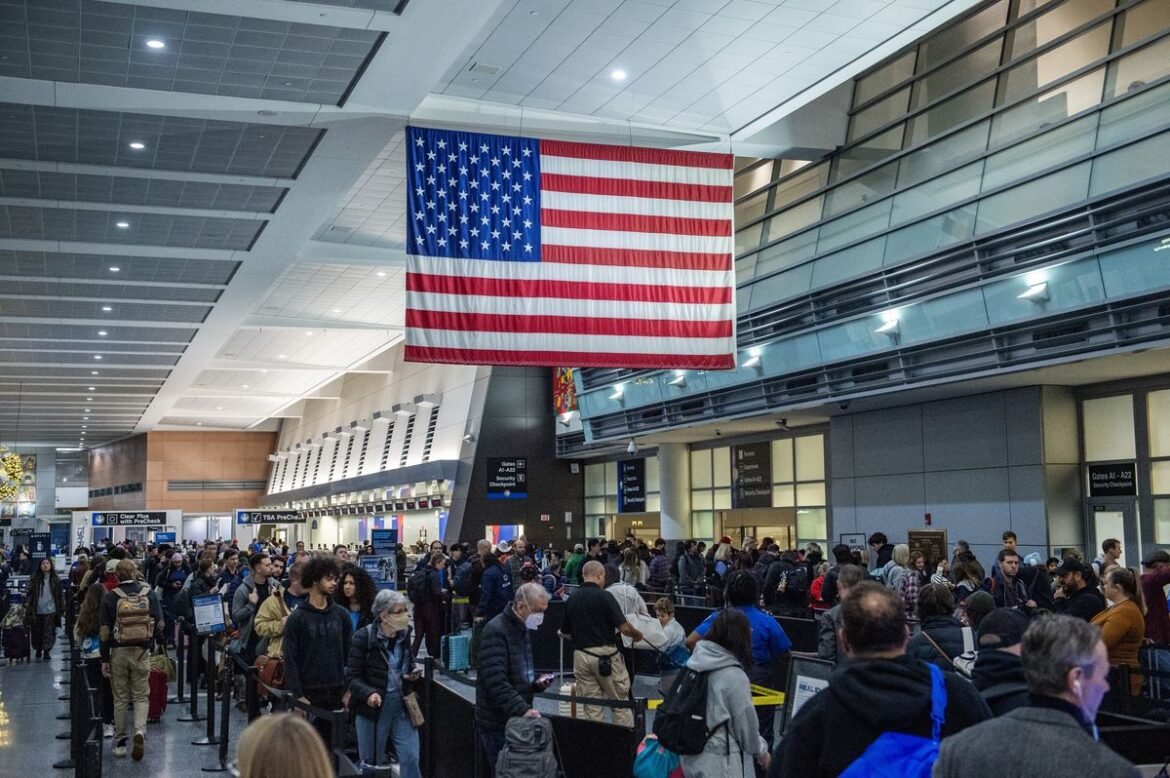
The United States is experiencing an unprecedented demographic and social shift, marked by record numbers of American citizens voluntarily expatriating to seek new lives abroad. This growing wave of departures is actively reshaping the traditional concept of the “American Dream,” a promise that has historically positioned the country as the premier global destination for stability and prosperity.
For the first time in 50 years, the United States recorded a “negative net migration” in 2025 among its citizens, with the number of departing Americans significantly outpacing incoming residents. Reliable estimates indicate that between 210,000 and 405,000 U.S. citizens chose to leave the country of their own accord over the past year.
Mounting Pressures and Shifting Sentiments
Analysts suggest this migration trend is no coincidence, but rather the cumulative result of intensifying political, social, and economic pressures. Highlighting this shifting sentiment, the annual “Move Abroad Con” conference held in San Diego last May drew approximately 600 attendees—doubling the registration numbers from the previous year—signaling a rapidly expanding movement.
Surveys conducted during the conference illuminated the primary catalysts driving Americans to relocate:
89% of respondents cited political motivations as their primary reason for leaving.
73% expressed a desire for personal growth and cultural adventure.
57% sought refuge from the soaring cost of living in the U.S. to ensure financial security.
Seeking Alignment and Affordability Abroad
The destinations of these expatriates vary widely, reflecting their diverse motivations. Jesse Deer and his wife, residents of Phoenix, Arizona, are currently planning a permanent move to Mexico. Deer explicitly pointed to recent U.S. Supreme Court rulings regarding civil rights and legislation as a regression for the country, stating that Mexico’s current political and social landscape aligns more closely with his personal values.
Meanwhile, Vaughn Bradley, a government employee from San Diego, has set his sights on southern Spain. While the Mediterranean climate is an attractive bonus, Bradley’s primary driver is the significantly lower cost of living, which will allow him to retire in an environment that supports a healthier and more sustainable lifestyle than what is currently accessible to him domestically.
The High Cost of Departure
Despite the steep financial burdens and bureaucratic hurdles associated with international relocation, an increasing number of Americans remain undeterred. The total expenses—ranging from visa fees and legal documentation to international shipping and logistics—frequently total tens of thousands of dollars. In one instance, a couple from Chicago reported spending upwards of $20,000 solely to relocate their household and lives to Valencia, Spain.
Political and economic analysts conclude that this outbound migration serves as a structural escape from a domestic environment that many citizens now find suffocating. In a striking historical reversal, the nation that once served as the ultimate beacon for global immigrants is increasingly seeing its own populace depart in search of cultural alignment, social stability, and financial relief.